
2025 GMC Sierra Dash Camera with Canopy — VIOFO A229 Pro Installation Guide
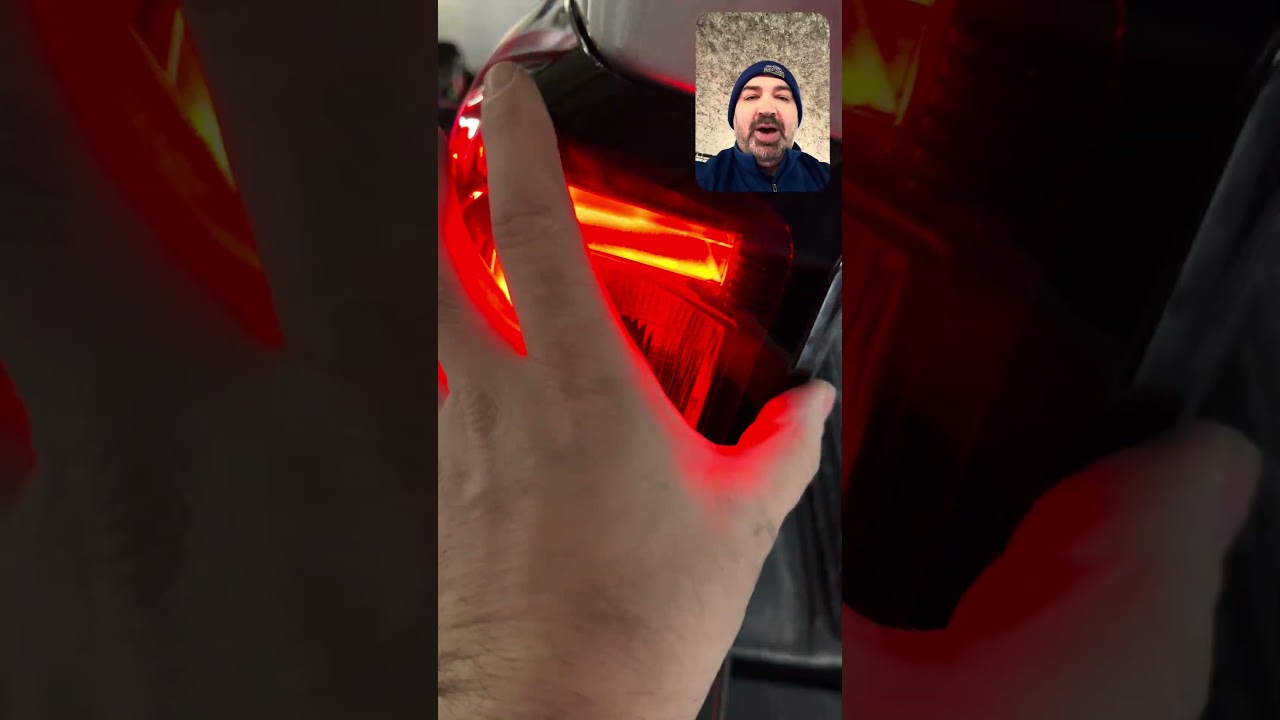
Installing a dash camera on a truck with a canopy adds a few extra steps, but it’s completely manageable with the right approach. Here’s a practical walk-through of fitting the VIOFO A229 Pro on a 2025 GMC Sierra that has an actual canopy attached. The focus is clean mounting, discreet wiring, and retaining a distraction-free interior.
What the VIOFO A229 Pro setup looks like
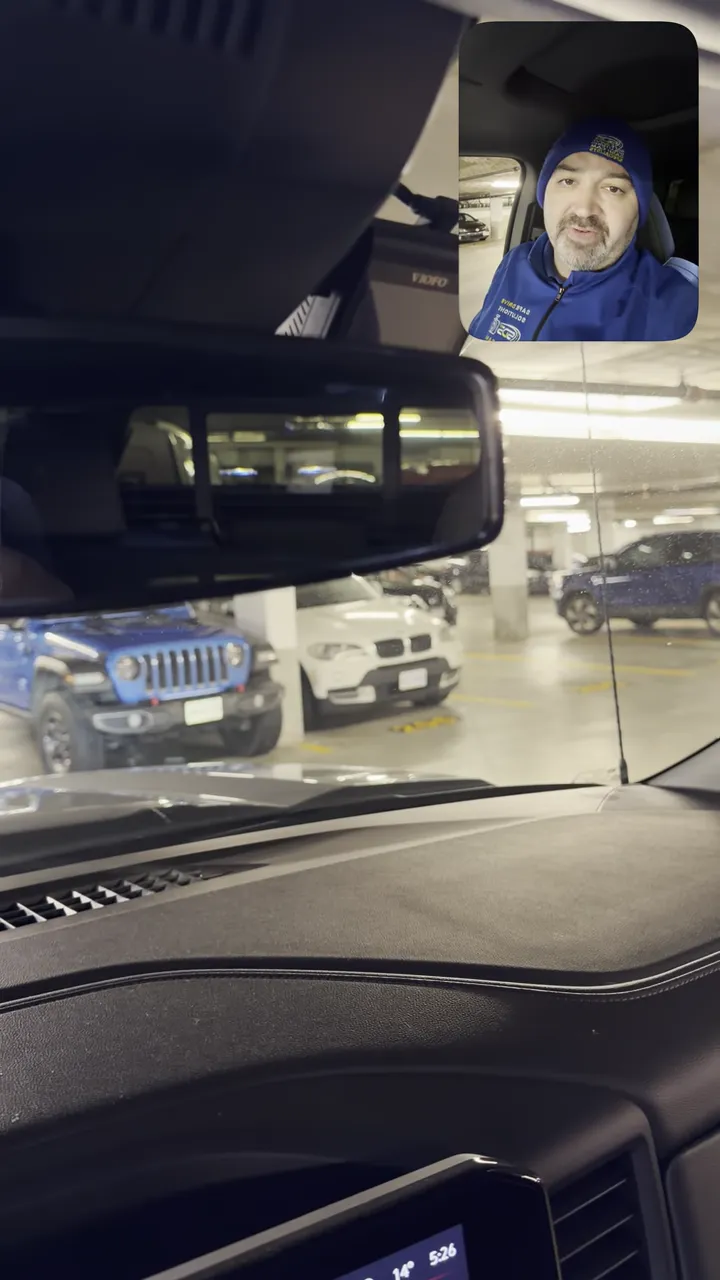
The system we used includes a dash camera mounted near the rearview mirror and a rear camera attached to the back of the canopy. The dash camera’s LCD times out after a few seconds, so it won’t be distracting while driving, and all wiring is hidden for a factory-finish look.
Mounting the rear camera to the canopy
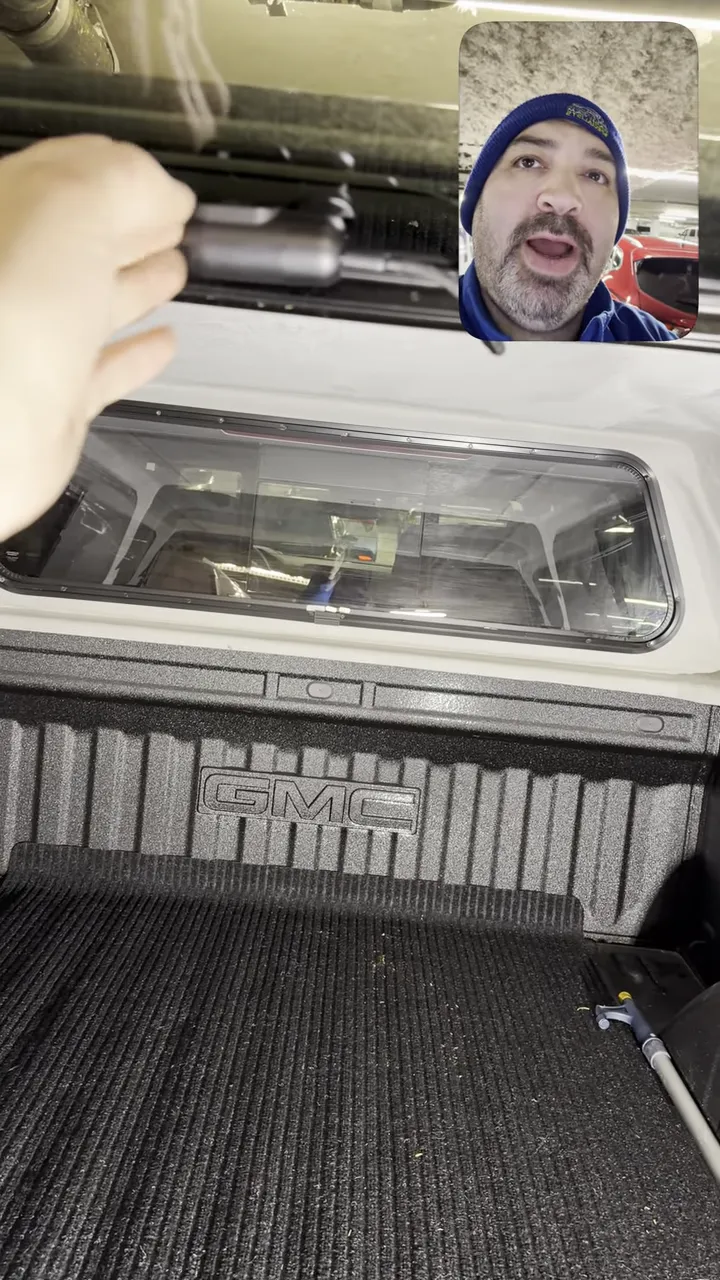
On a canopy, the rear camera needs a secure spot that gives an unobstructed view. We mounted the camera on the back of the canopy and routed the cable so it follows the canopy’s existing wiring path. When the canopy door is folded down you can see the camera position clearly, and when closed it sits flush and protected.
Key routing steps
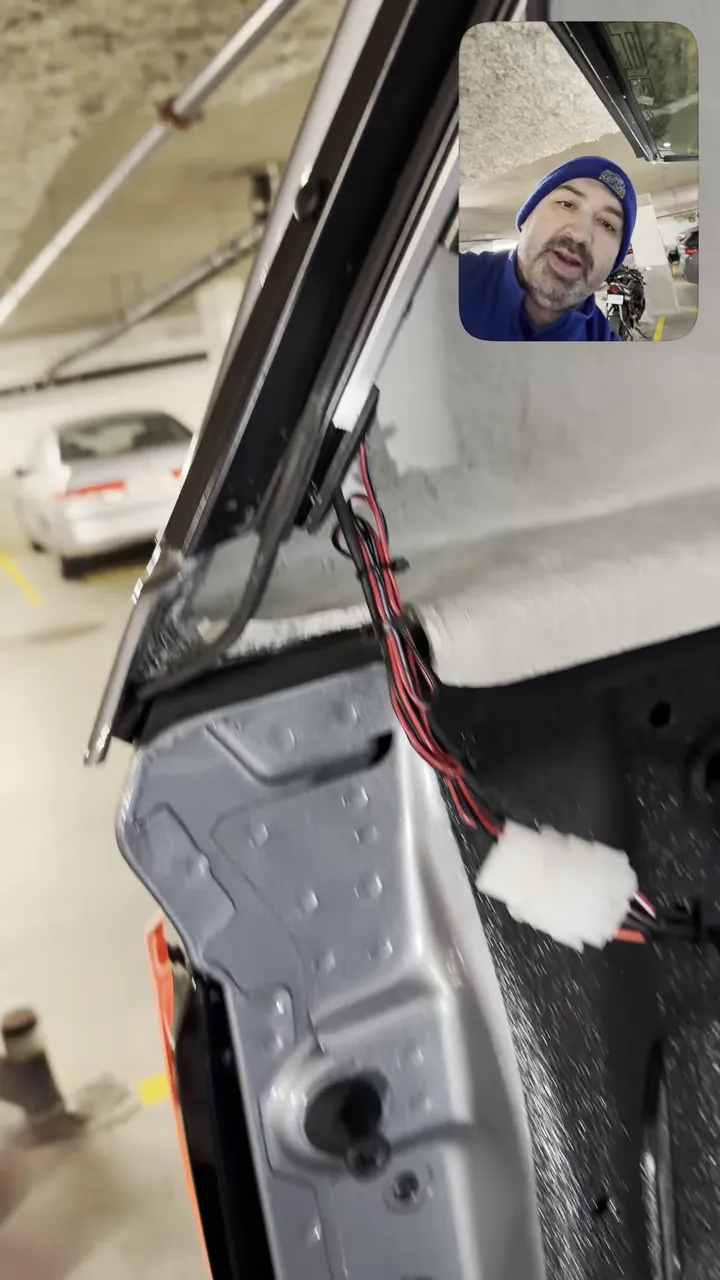
- Run the rear camera cable alongside the canopy’s third brake light wiring.
- Tuck the cable into any existing harness channels on the canopy and vehicle.
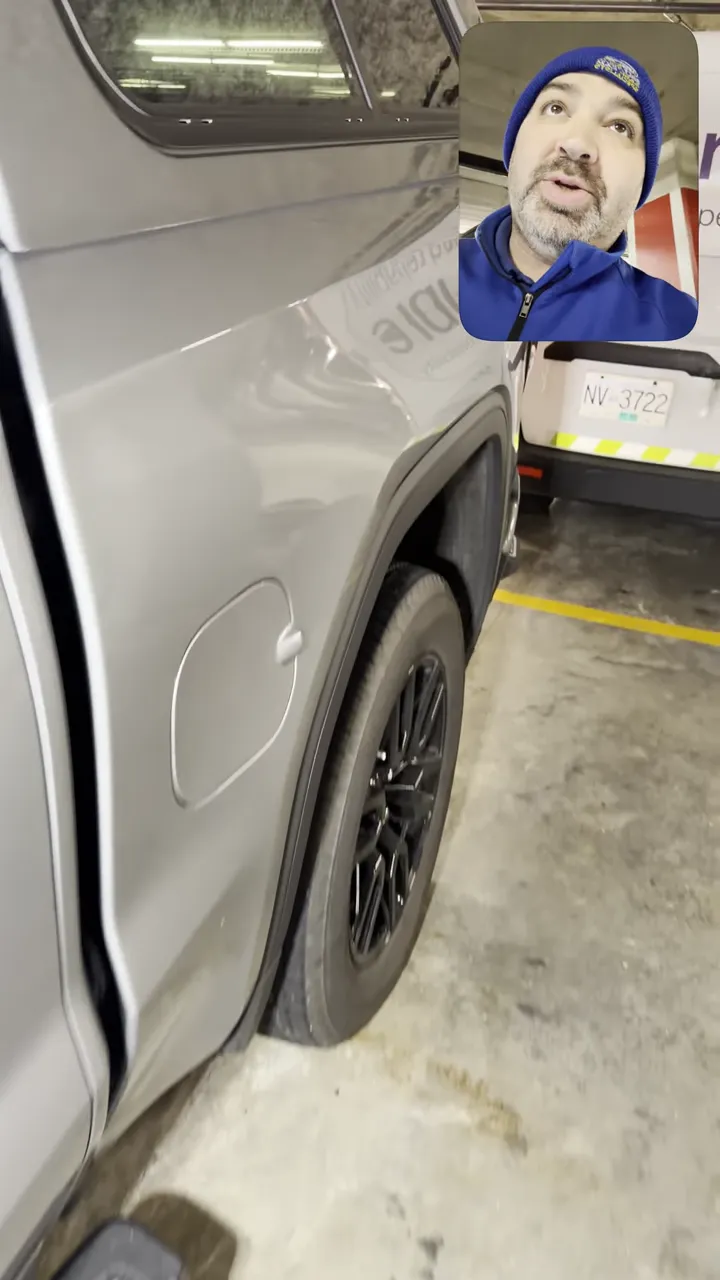
- Feed the cable down the side of the truck and into the body behind the tail light.
Hiding wiring for a clean finish
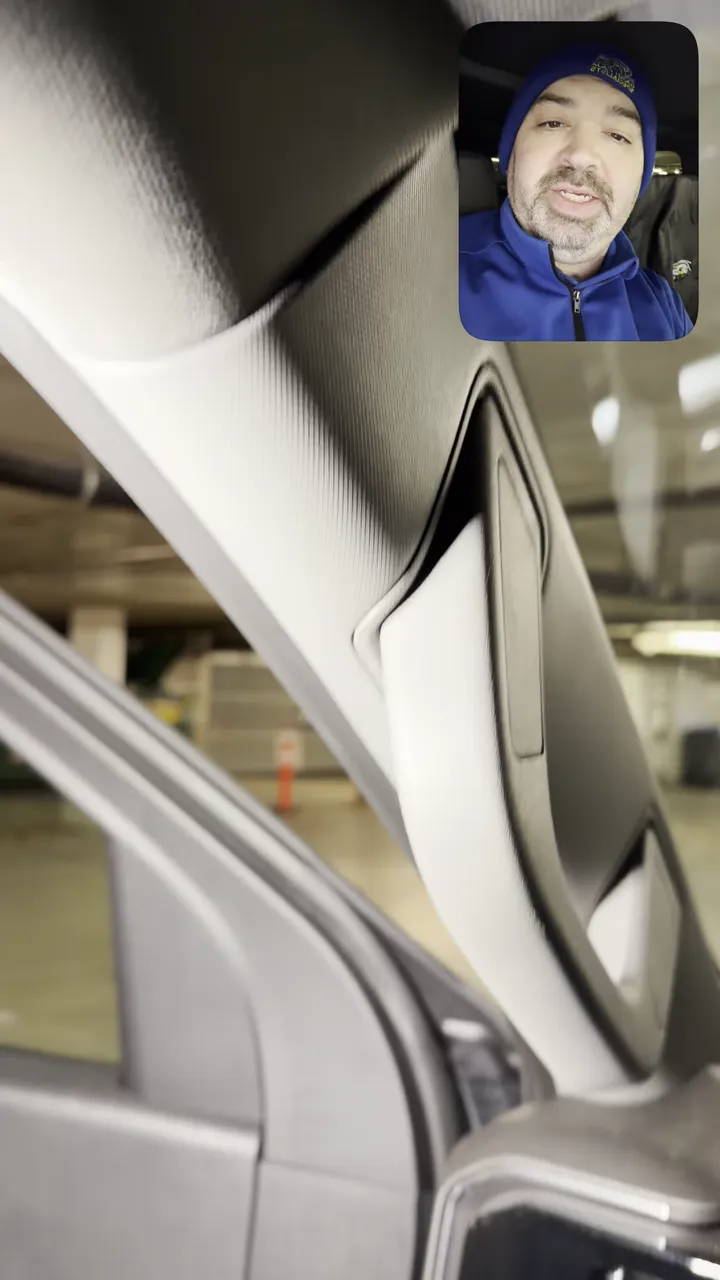
The goal is to keep all wiring out of sight and protected from the elements. We routed the dash cam cable up into the headliner and tucked it behind the pillar trim. Behind the tail light and inside the rear panel of the truck are ideal places to hide excess cable and connection points.
When you need to run wiring under the vehicle
Some trucks or canopies already have aftermarket wiring run under the vehicle to power lights or accessories. In that case, you can tie into that existing harness rather than creating a new external run. We located an aftermarket feed that ran directly to the canopy and spliced our rear camera cable into it, keeping the entire route under the vehicle and out of sight.
Interior placement and distraction-free operation
Inside the cab, mount the dash camera just above the rearview mirror where it has a clear forward view but doesn’t block sightlines. The VIOFO A229 Pro’s display automatically times out after a few seconds, which prevents distraction while driving and keeps the interior looking tidy.
Practical tips and final checklist
Small details make a big difference in a canopy installation. Here are compact tips we follow to ensure a reliable, neat result:
- Use existing harnesses whenever possible to minimize new holes and exposure to the elements.
- Tuck wiring behind trim panels and inside the headliner to achieve a factory look.
- Seal splices and connections with heat-shrink or waterproof connectors when routing under the vehicle.
- Test camera angles and operation before reassembling panels and trims.
- Check local rules about windshield-mounted devices to ensure compliance with sightline regulations.
- Consider professional installation if you’re unsure about routing through body panels or under the truck.
Bottom line
A clean, functional dash cam installation on a 2025 GMC Sierra with a canopy is straightforward: mount the rear camera on the canopy, follow existing wiring paths (third brake light harness is perfect), hide cables behind trim and tail light pockets, and use any existing aftermarket feed under the vehicle if available. The result is a professional, distraction-free setup that protects wiring and preserves the truck’s appearance.