
How Are Toyota Dash Cameras Installed?
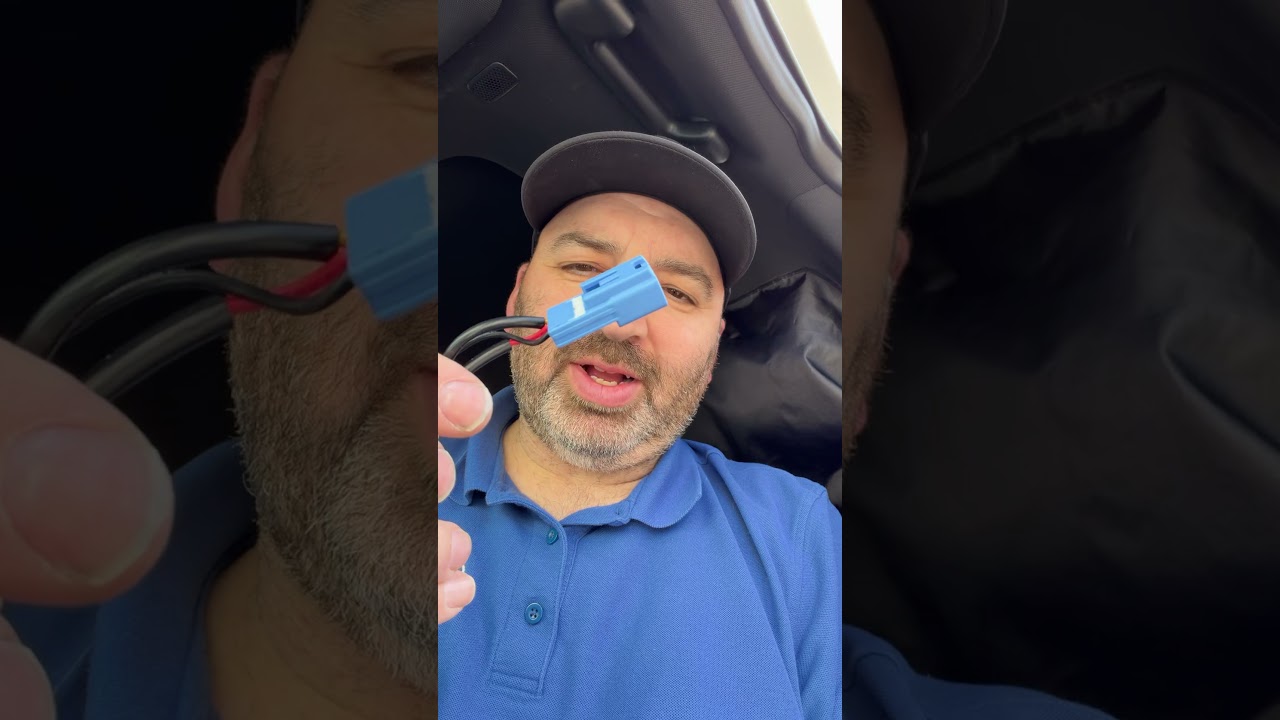
If you have been told that a Toyota dash camera is the safe choice because it plugs neatly into the factory wiring and avoids any hardwiring or wire tapping, it is worth taking a closer look.
I recently removed a Toyota dash camera from a 2024 RAV4 Prime, and this one had been installed by the dealer. What I found is exactly the kind of thing that gets glossed over in the sales pitch.
The big sales claim: “It plugs right in”
A lot of dealers position the Toyota dash cam as if it is fundamentally different from a quality aftermarket installation.
The message usually sounds something like this:
- It connects to factory wiring
- There is no splicing involved
- It is the safer option for your vehicle
- Aftermarket installs may affect your warranty
On the surface, that sounds reassuring. There is even a plug involved, which makes it easy to assume the whole setup is a clean, OEM-style integration.
What is actually behind that plug?
Here is the part that matters.
Yes, the Toyota dash camera plugs into a connector. But that connector is attached to a hardwiring cable setup. In other words, the dealer-installed Toyota dash cam is still being hardwired into the vehicle.
That is the key point.
The presence of a plug does not mean the installation avoids hardwiring. It simply means the camera connects to a harness that has already been set up for hardwired power.
So when a dealer says they are not splicing into any wires, while presenting the Toyota dash cam as somehow exempt from the rules they apply to aftermarket products, that claim deserves some skepticism.
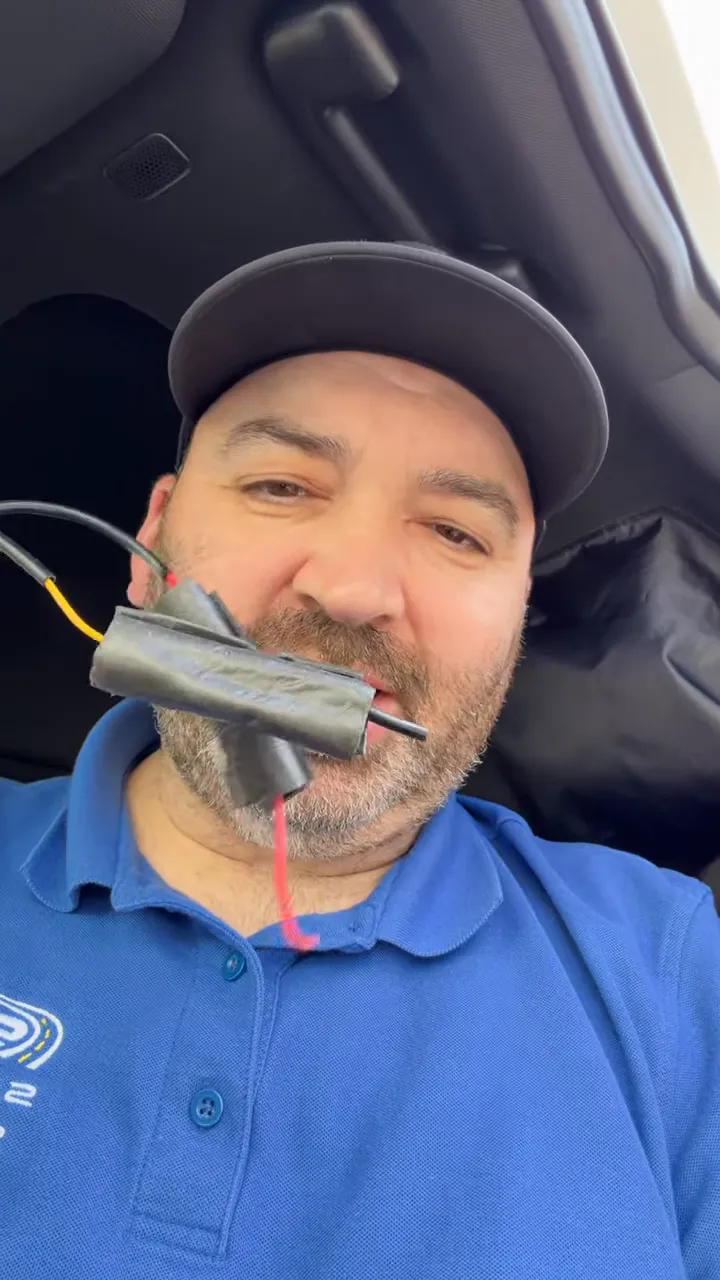
The dealer-installed Toyota dash cam is still an installed accessory
This is what often gets lost in the conversation.
The Toyota dash camera is not some magical factory-integrated system that appears in the vehicle untouched by human hands. It is an accessory that the dealer installs. That means someone at the dealership is fitting it into the vehicle after the fact.
And in this case, that installation involved hardwiring.
That makes it much more similar to a professionally installed aftermarket dash cam than many people realize.
Put simply:
- The camera is added after the vehicle is built
- The dealer performs the installation
- The setup still uses hardwiring cables
- It is not categorically different from other dash cam installs just because it has Toyota branding on it
The warranty contradiction
This is where things get especially interesting.
Some dealers warn customers that installing an aftermarket dash cam could void the warranty. Then, in the same breath, they promote a dealer-installed Toyota dash camera that is also hardwired into the vehicle.
That contradiction is hard to ignore.
If hardwiring itself were the automatic problem, then the dealer’s own installation method would raise the exact same concern. But of course, the real issue is usually not that simple.
The bigger takeaway is that blanket statements about warranties are often used to steer people toward the dealership’s preferred product, even when the underlying installation method is not nearly as different as advertised.
What this means if you are choosing a dash cam
If you are comparing a Toyota dash cam to an aftermarket model, do not stop at the branding or the sales language.
- How is it actually powered?
- Is it using a hardwire harness?
- Who is doing the installation?
- What exactly is being connected behind the trim panels?
- Is the dealer applying a double standard to OEM-branded and aftermarket accessories?
Those questions will tell you more than a simple “it plugs in” explanation ever will.
The bottom line
The Toyota dash camera removed from this 2024 RAV4 Prime was dealer-installed, and despite the common sales pitch, it was still tied into a hardwiring setup. We replaced it with a Vueroid S1 4k front and rear dash camera.
So if someone tells you the Toyota dash cam is different because there is “no splicing” or “no hardwiring,” it is worth looking beyond the surface. A plug may be part of the system, but that does not mean the installation is fundamentally different from a professionally installed aftermarket dash cam.
At the end of the day, this is still an accessory installed by the dealer. It is not in a separate category just because it came through the Toyota parts counter.
A bigger conversation is coming
There is also a broader issue here: what a dealer can and cannot say about your warranty when it comes to accessories like dash cameras.
That conversation matters, and it is one a lot of vehicle owners need to hear clearly. The short version is that scare tactics and vague warnings are not the same thing as a legitimate warranty denial.
There is more to say on that, and the receipts matter.
So if you are being pressured into a dealer-installed camera on the promise that it is the only “safe” option for your new car, take a pause. Ask how it is installed. Ask what is really behind the trim. And do not assume that OEM branding automatically means no hardwiring, no installation work, or no double standards.