
2026 Hyundai Tucson Hybrid Dash Cam Setup: 4K Front and Rear Camera with a Battery Pack

A new 2026 Hyundai Tucson Hybrid is a great platform for dash camera protection, especially when you want clean video coverage in both the front and rear. On this build, Safe Drive Solutions installed a Vueroid S1 4K dash camera system with front and rear cameras, plus a battery pack so the vehicle can record for long periods while parked.
If you have ever wondered “why does a dash cam need a battery pack?” or how it is wired into a modern hybrid, here is the practical, real-world breakdown.
Why add a battery pack for a parked dash cam?
Some dash cam setups can record only when the car has power. But many owners want something different: long-duration recording while the vehicle is parked, such as when you are away for an extended period.
That is where the battery pack comes in.
In this installation, the battery pack was chosen specifically because the customer needs the dash cameras to record for long periods while parked. Instead of depending solely on the car’s main battery, the dash cam system can run on a dedicated power source built for this purpose.
What a battery pack is (and what it is not)
A battery pack in a dash cam system is typically paired with the vehicle’s electrical system so it can charge correctly and also provide power for the dash camera when needed.
People often worry about whether adding a battery pack means more maintenance, or whether it will drain their vehicle’s battery. The goal of this setup is exactly the opposite: you do not have to worry about your current battery going dead, especially because some hybrid batteries can be very expensive.
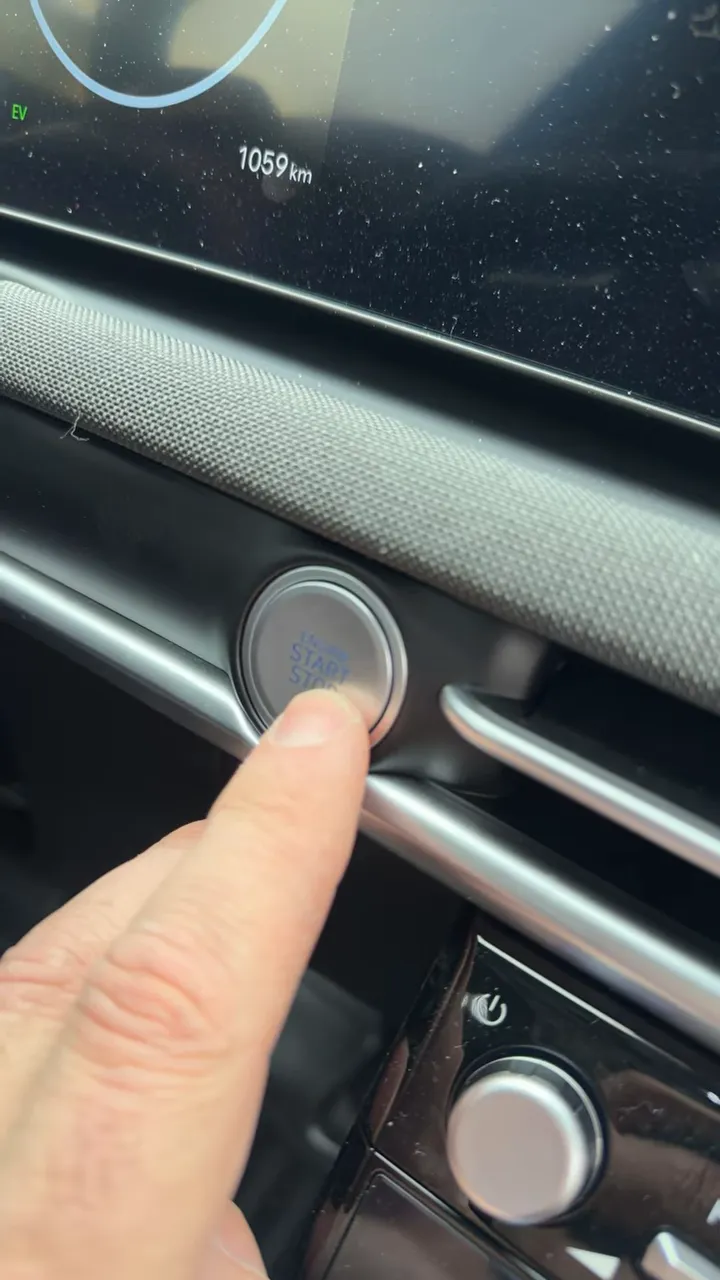
How the battery pack charges: ignition on, charging starts
Here is the simple logic used in this Tucson Hybrid build.
- The battery pack is connected using constant power, plus ignition, and ground in the vehicle.
- When you turn the ignition on, the battery pack starts to charge.
- When you turn the ignition off, charging stops.
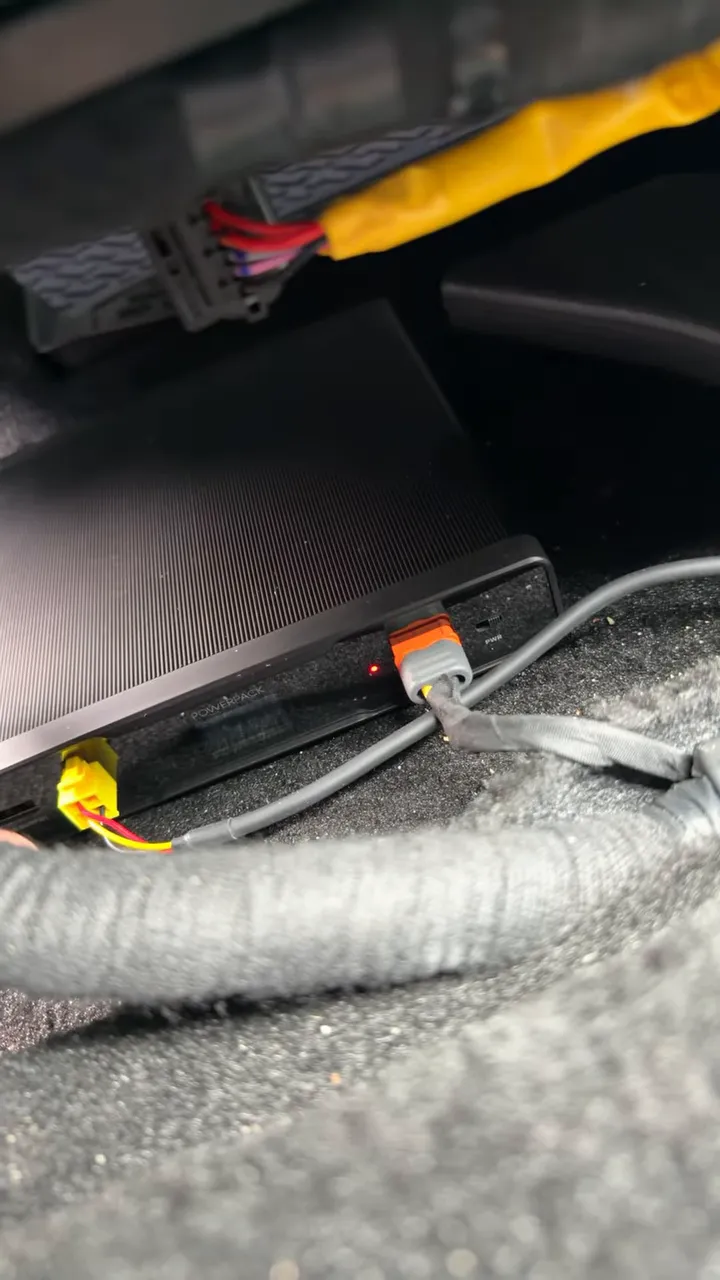
On the vehicle, the battery pack is mounted underneath the passenger seat. It is hidden and out of sight, so it looks clean and doesn’t interfere with the cabin.
The charging light: your quick visual confirmation
There is a charging status indicator on the battery pack. In the install, the red light is on because the battery pack is charging right then (ignition is on).
When the ignition is turned off, the red light goes out, showing that it is no longer charging.
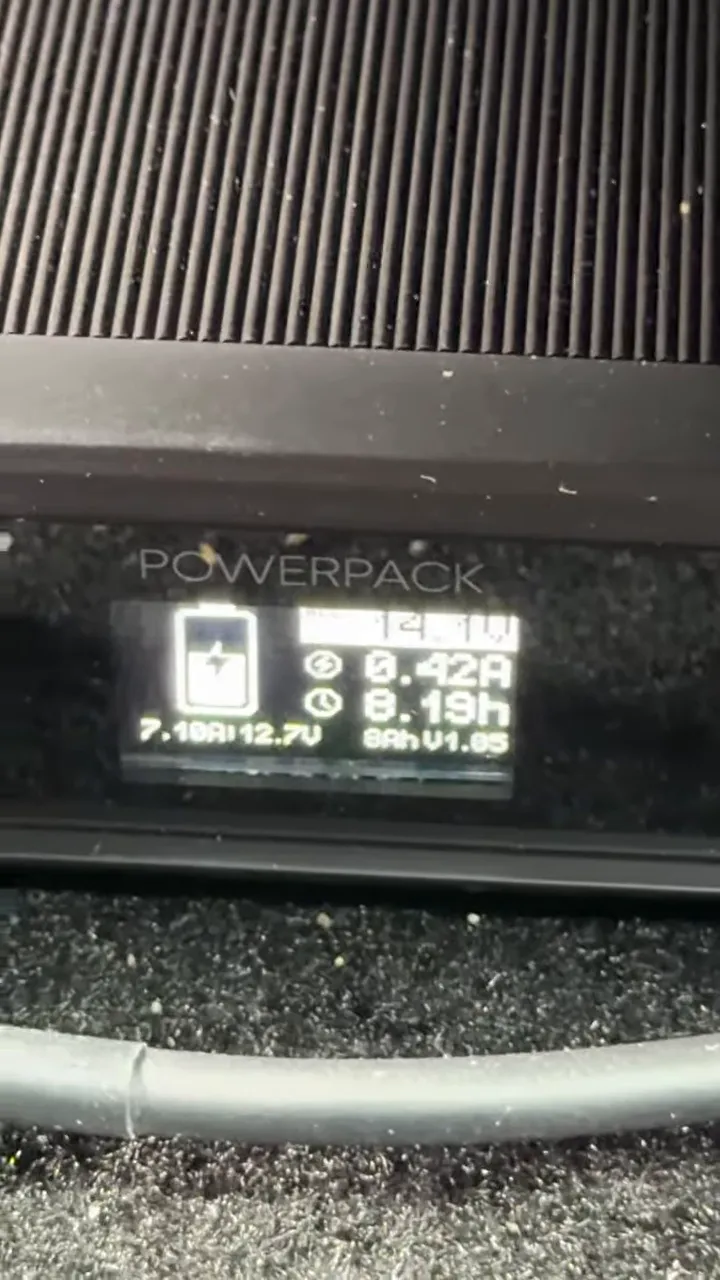
Battery pack charge percentage and health data
When the vehicle starts up again, the system provides data such as:
- How much percentage is charged
- Battery pack health and performance information
That is the practical benefit: you get transparency into the battery pack status rather than guessing.
Where the cameras mount: why they are not centered
Dash cameras do not always sit exactly where people expect them to, and this Tucson install is a perfect example. Both the rear and front cameras are positioned for functionality and clearance, not just symmetry.
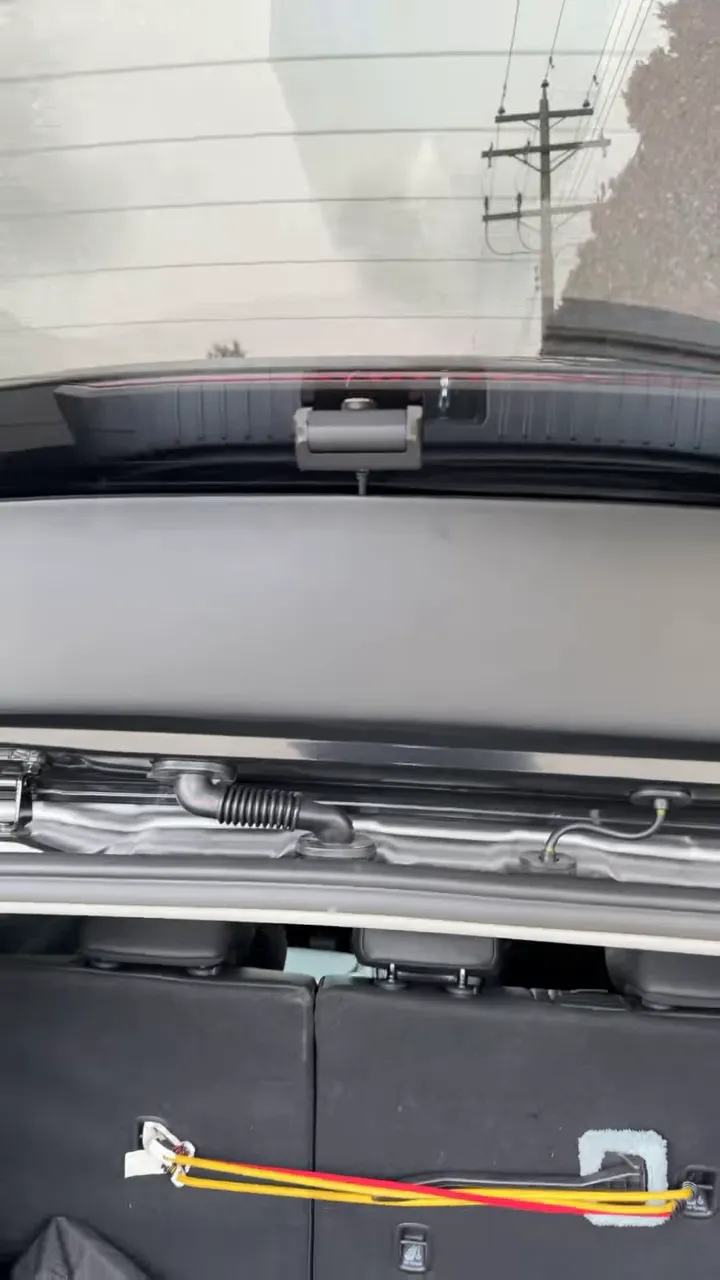
Rear camera placement: off-center for wiper clearance
The rear camera is mounted on the hatch, but it is slightly off-center, not dead center.
The reason is straightforward: the wiper is located near the top portion of the rear window, and it travels downward. Placing the camera off-center allows the windshield wiper to clean in front of the camera.
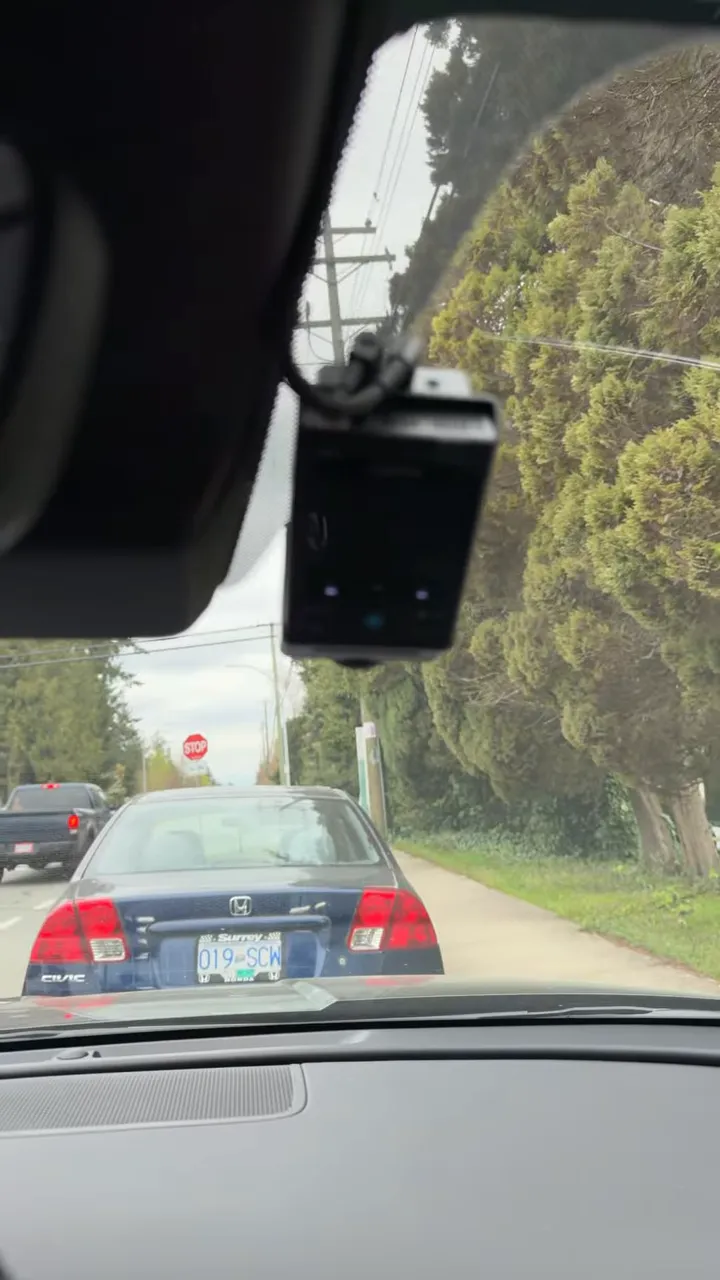
Front camera placement: mounted near the rearview mirror
The front camera is mounted on the passenger side near the housing by the rearview mirror, again because of how the vehicle’s interior layout supports a clean and effective wiring path.
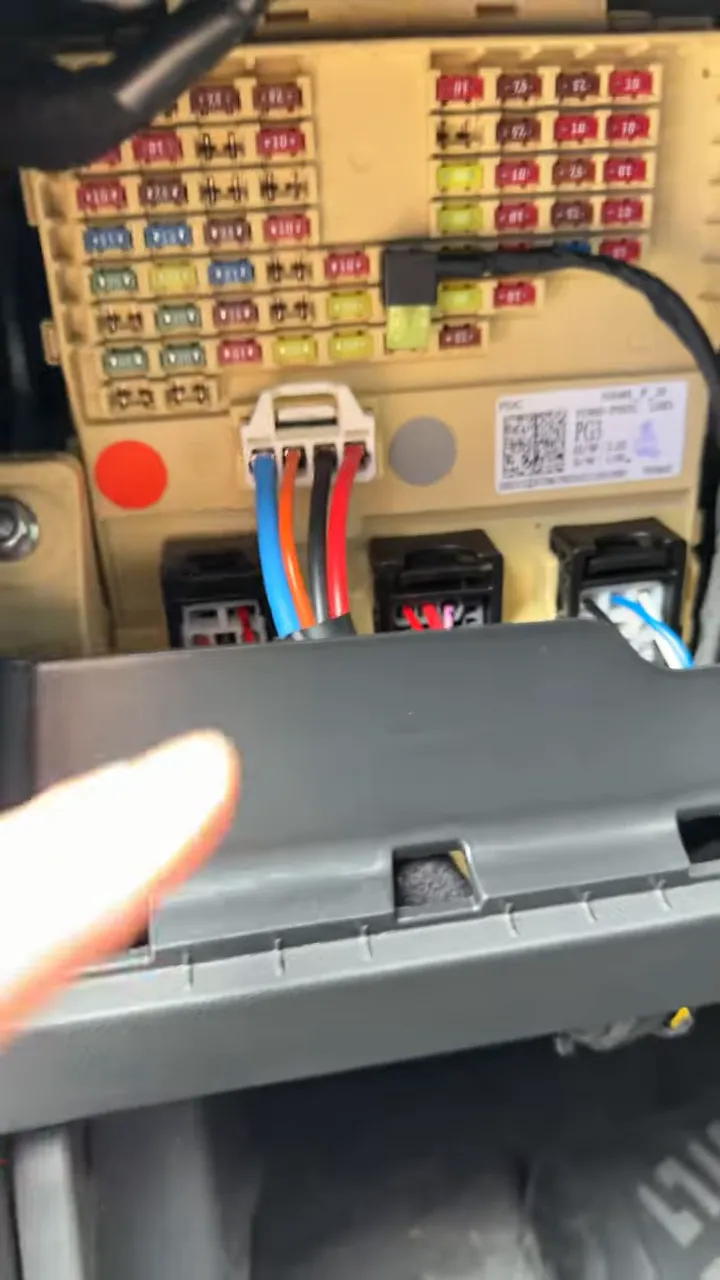
Wiring the system: connecting battery power through an extra fuse slot
One of the most important parts of any dash camera install is how power is handled. This Tucson install uses the fuse box to make the wiring tidy, reliable, and compatible with the vehicle.
The key detail: there is an empty extra fuse slot in the Hyundai Tucson. That slot is used to hook up constant power.
In addition, a separate wire is used for ignition. That ignition line is what allows the battery pack to recognize when to charge (ignition on) and when to stop charging (ignition off).
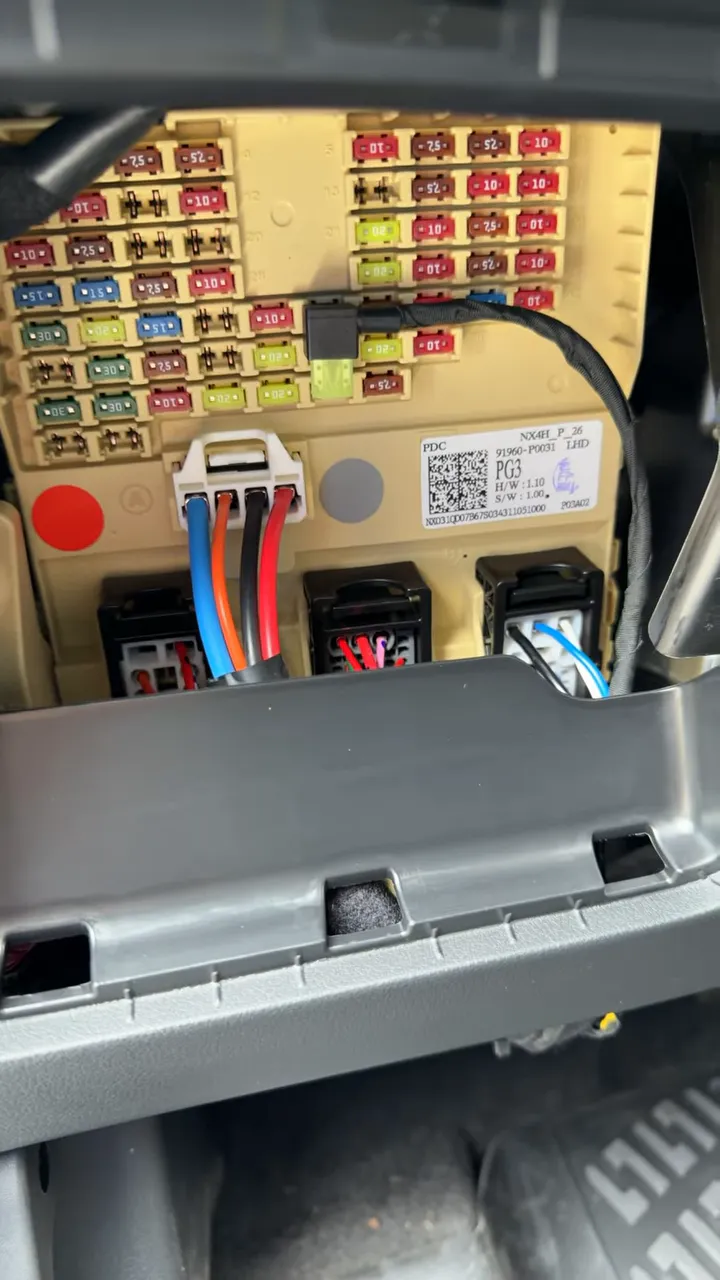
Fuse box layout matters
Fuse box layouts can be tight, and not every diagram will be readable from every angle. The important point is that installers need the right available fuse position for constant power, and they must route ignition correctly so the system behaves as intended.
Why professional installation hides the dash cam in the best way
A dash cam looks better and works better when it is installed cleanly. In this Tucson, the camera is largely hidden behind the rearview mirror area when you are seated to drive.
That is a benefit of professional installation: the wiring is hidden, the installation looks tidy, and the setup is explained so you understand how it works.
As part of the process, the installer should also show you how the system operates, including how the battery pack charges while driving. That is what helps you avoid concerns about a dead vehicle battery.
Key takeaways for Tucson Hybrid owners
- Battery pack enables long recording while parked.
- Ignition controls charging. Battery pack charges when ignition is on and stops when it is off.
- Hidden mounting under the passenger seat keeps the cabin clean.
- Rear camera is off-center to account for wiper clearance.
- Front camera is positioned near the rearview mirror for a clean install.
- Constant power and ignition wiring are handled through the fuse box using an available fuse slot and separate ignition input.
Is this type of setup right for you?
If your priority is 4K front and rear coverage and you want the system to continue recording for long periods while parked, a battery pack is one of the most straightforward ways to make that happen without turning your vehicle’s battery into the limiting factor.
And if your hybrid battery is a concern for cost and longevity, the whole point of this approach is peace of mind: the dash cam can run where you need it, while charging behavior is managed intelligently through ignition control.