
Do Dash Cams Actually Record License Plates?
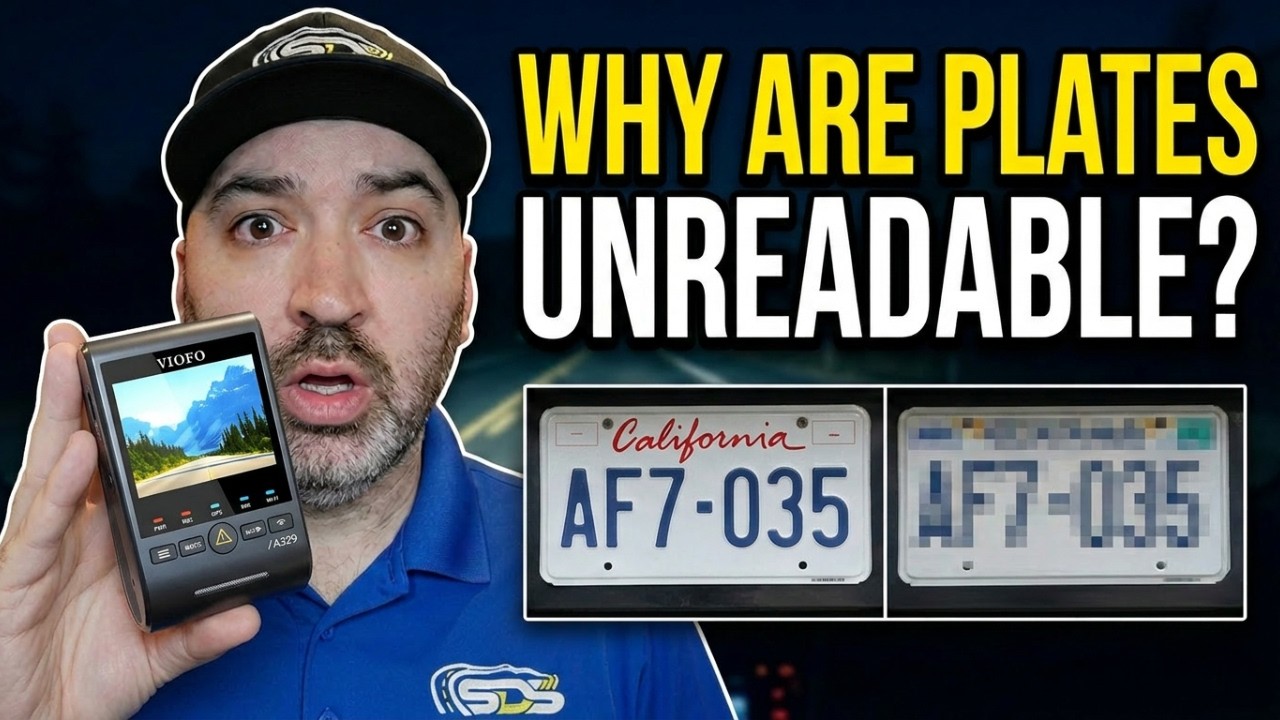
You buy a dash cam for one reason above all others: that one moment when everything goes wrong.
A hit and run. A reckless driver. A close call that turns into an insurance nightmare.
Then it happens. You pull the footage, fully expecting you’ve got the plate, and instead you get a blurry glowing mess. Nothing useful for police. Nothing useful for insurance. Nothing useful for you.
So, do dash cams actually record license plates?
Yes, they can. But no, many of them don’t do it reliably, especially at night.
That’s the hard truth. And if you understand why, you can make a much smarter dash cam purchase.
Why dash cam license plate capture is so hit or miss
After testing a range of popular and advanced dash cameras in daytime and nighttime driving, one thing becomes obvious very quickly: not all dash cams are built equally.
Some of the top-rated models perform fine in daylight and completely fall apart after dark. That means if your collision happens at night, your chance of getting a readable plate can drop to almost zero on the wrong camera.
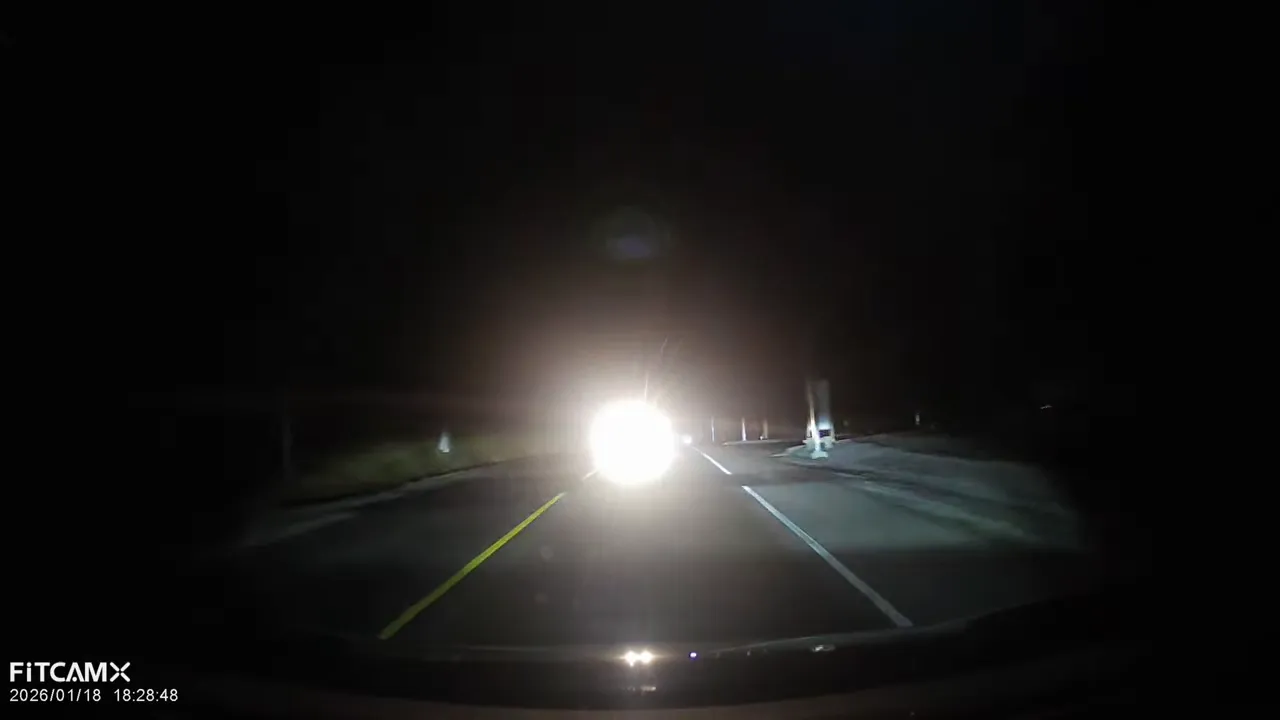
This is also why online reviews can be so confusing. One person says a camera is amazing. Another says it failed them. Both may be telling the truth.
A dash cam’s real-world ability to capture plates depends on a bunch of things working together:
- lighting conditions
- camera sensor quality
- HDR performance
- motion blur
- distance from the vehicle
- lens type
- bit rate
- the design and reflectivity of the plate itself
And that last point gets overlooked a lot.
License plates are not the same everywhere, and that matters
One of the biggest reasons dash cam performance varies from market to market is that license plates themselves vary dramatically.
That became especially clear after comparing North America with countries across Asia, including Taiwan, South Korea, China, Hong Kong, and Vietnam.
Taiwan is a good example of a simpler environment
In Taiwan, there are three major license plate styles that stand out:
- White plate with black characters for everyday personal vehicles
- White plate with red characters for ride-share and taxi-type vehicles
- Green plate with white or red characters for commercial vehicles like buses and trucks
Those plates are also physically larger than what you typically see in the United States and Canada.
That means a dash cam built for that market has a much easier job. The manufacturer can tune for a limited range of colours, larger fonts, and simpler layouts.
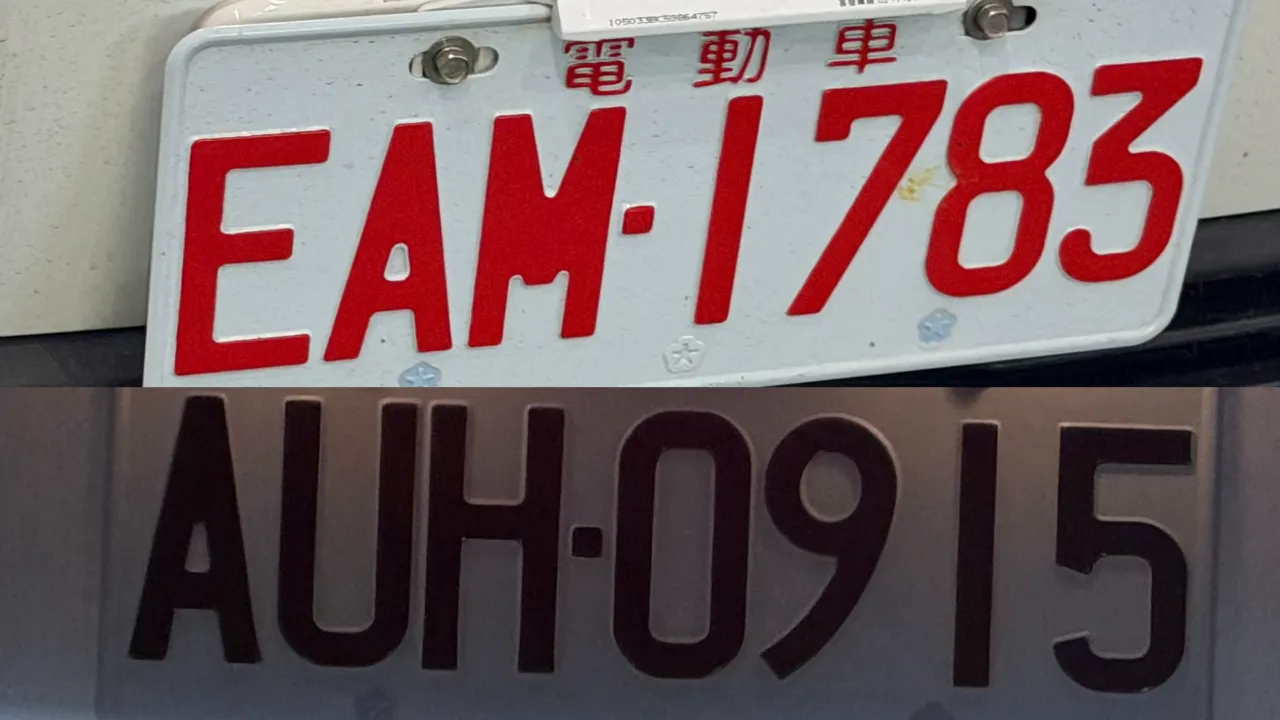
When the plate is bigger and the colour variations are more predictable, even cameras that are not especially high resolution can still perform decently.
North America is far more complicated
Now compare that with California alone.
There are roughly 18 different plate variations listed through California registration options. And that’s just one state. That does not include any vanity plates.
Right away, there are extra challenges:
- the state name has to appear on the plate
- the font for the actual plate number gets smaller to make room
- registration stickers may take up corner space
- background colours and plate designs vary much more
Canada adds its own complications with provincial identifiers, different plate formats, and in some provinces, additional sticker placement.
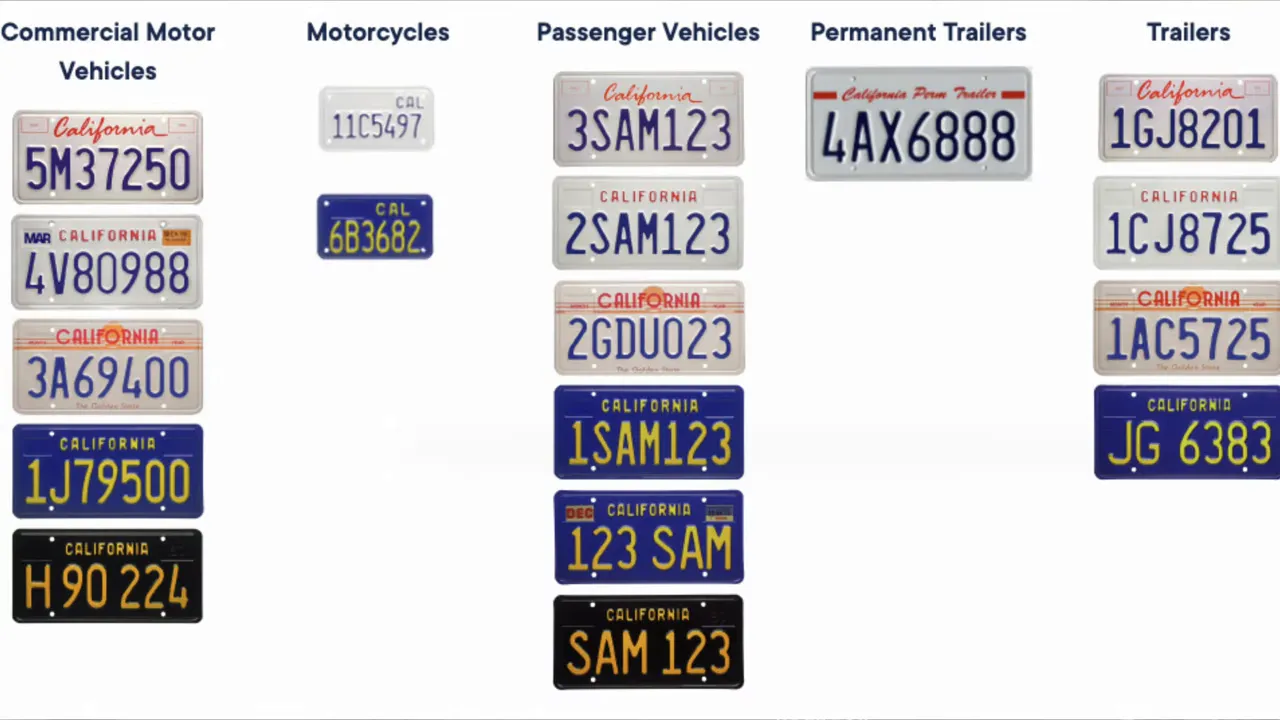
So instead of one relatively predictable plate style, dash cam companies are trying to build cameras that can deal with:
- many states and provinces
- thousands of visual plate variations
- different font sizes
- different colours
- different reflective materials
- daytime and nighttime conditions
That is a much harder problem to solve.
There’s also another issue people forget: not every jurisdiction requires a front license plate.
In 2 U.S. states, there is no front plate requirement. So if a vehicle is approaching you, there may be no plate to capture at all. That makes oncoming incidents even more difficult, especially in hit-and-run situations.
Why so many drivers are moving to 4K dash cams
Once you understand how small and inconsistent North American plates can be, it makes a lot more sense why so many drivers are investing in 4K cameras.
More resolution gives you a better chance of capturing enough detail to read critical information.
But resolution alone is not the answer.
That’s one of the biggest mistakes in dash cam shopping. People focus on 1080p, 2K, or 4K because that’s what the marketing pushes. Higher resolution helps, no question, but the image sensor and processing matter just as much, and often more.
The most important dash cam features for reading license plates
If you want a dash camera that actually gives you a real chance of getting a readable license plate, these are the features that matter most.
1. A strong image sensor, especially Sony Starvis 2
The foundation of good nighttime performance is the image sensor.
Right now, one of the most important names to know is Sony Starvis 2. This sensor line represents a major step forward in low-light performance.
Why? Bigger pixel size.
A simple way to think about it is this: each pixel is like a bucket collecting rain. A bigger bucket collects more water. In the same way, a bigger pixel gathers more light.
That gives you:
- brighter images
- cleaner nighttime footage
- less grain
- better detail in dark scenes
If night driving matters to you, and for most people it should, this is where you want to start.
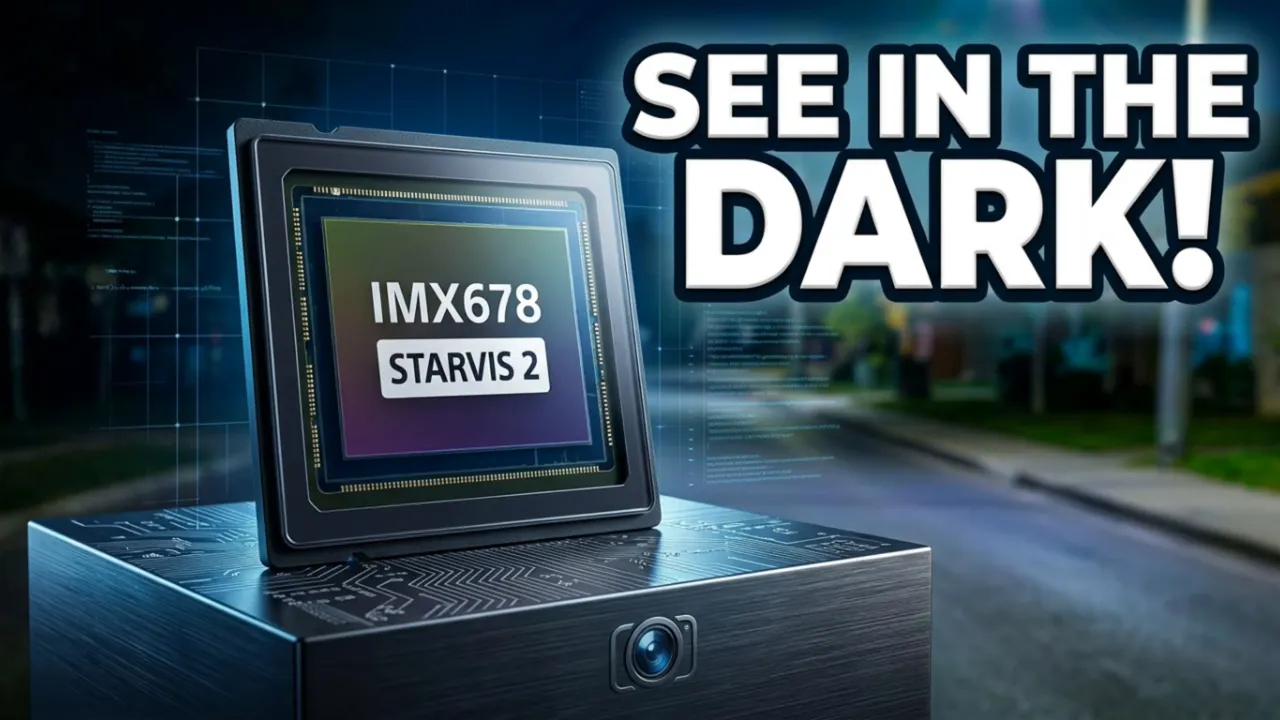
One specific sensor called out as especially worthwhile is the Sony Starvis 2 IMX678.
2. True HDR that can handle glare
If the sensor is the foundation, HDR is what helps defeat one of the biggest enemies of plate capture at night: glare.
At night, a basic dash cam sees headlights and reflective license plates as overwhelming white light. That’s when you get the classic useless frame: a bright white rectangle where the plate should be.
True multi-exposure HDR works differently.
It effectively captures multiple exposure levels at once:
- a short exposure to preserve details in bright areas, like the characters on a reflective plate
- a longer exposure to preserve the darker parts of the road scene
Then it combines them into one balanced image.
Done properly, that means:
- headlight glare is reduced
- plate blowout is controlled
- dark road detail stays visible
- the plate has a much better chance of being readable
In testing, cameras with this kind of HDR made a dramatic difference at night.
Models specifically highlighted for strong nighttime plate performance included:
- Vantrue N4 Pro
- VIOFO A229 Pro
- VIOFO A329S
- Vueroid S1 4K
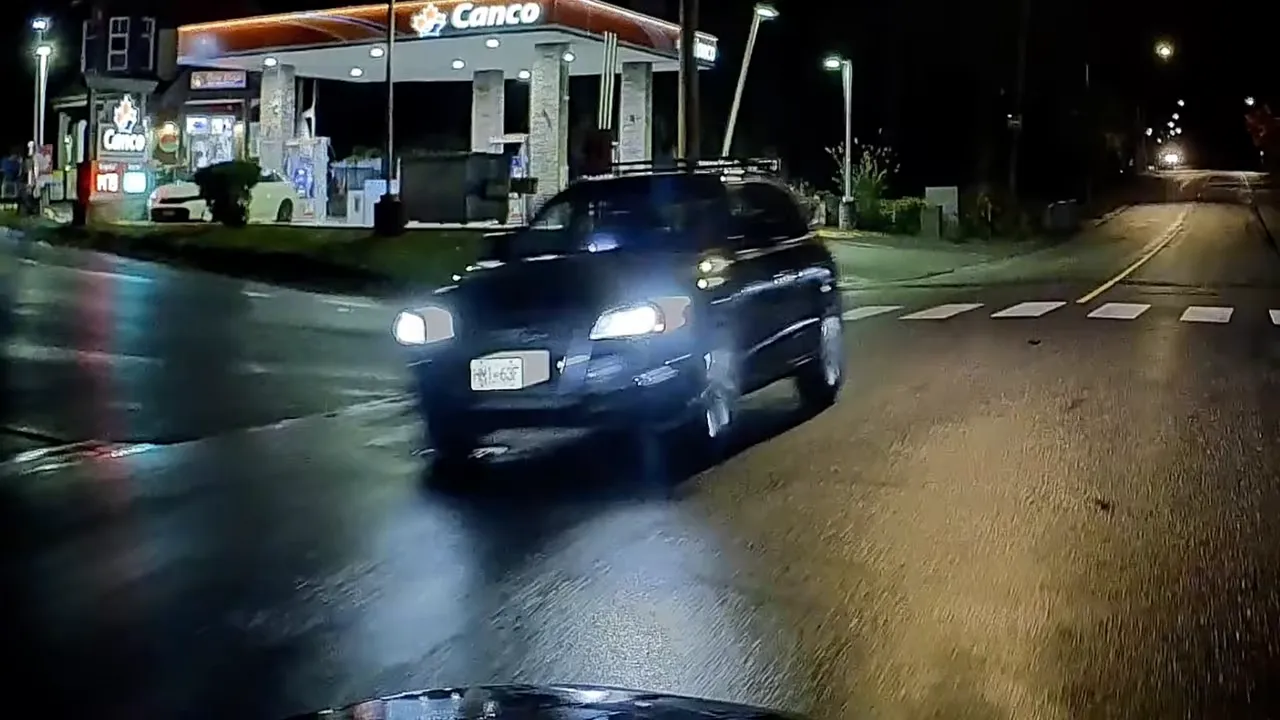
In the same night scenarios where these cameras produced readable plates, cameras without proper HDR failed.
If nighttime capture is your top concern, this may be the single most important feature after the sensor itself.
3. Understand that even the best camera is not magic
Here’s where a lot of marketing falls apart.
Even the best cameras with Sony Starvis 2 and strong HDR are not a guarantee.
There were still situations where top-tier cameras could not pick up the plate because of motion blur.
So if you’re hoping for a promise that every plate will always be readable, that promise doesn’t exist.
What the best cameras do is improve your odds. They give you the best chance of getting that critical information, especially at night, but they do not eliminate the limits of speed, distance, glare, and movement.
4. Telephoto lenses are one of the smartest new upgrades
Most dash cams use a wide-angle lens. That’s great for showing the whole road scene and establishing context.
The downside is that vehicles farther ahead look tiny. Their license plates may only occupy a few pixels, even on a 4K camera.
This is why telephoto dash cams are such an interesting development.
A model like the VIOFO A329T includes a second telephoto lens that acts almost like binoculars for your car. Instead of covering a wide field of view, it focuses on zooming in on distant details.
That makes a real difference for plate capture.
In testing, a telephoto lens could clearly capture a plate from more than 60 feet or 20 metres away, even in motion, at distances where a standard 4K wide-angle camera would only show blur.
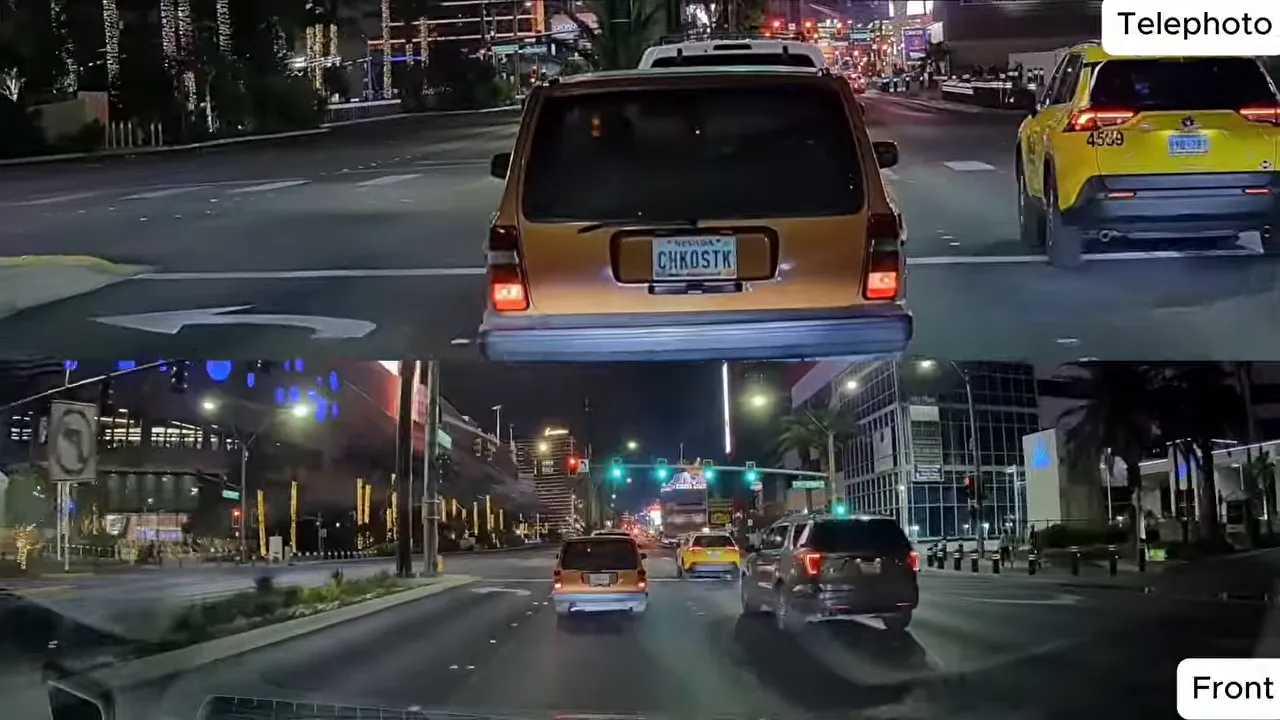
This is the best-of-both-worlds setup:
- wide-angle 4K camera for the full context of the incident
- 2K telephoto lens for zoomed-in plate details
If distance is your main concern, this is a feature worth paying attention to.
5. Higher bit rate can preserve critical detail
Bit rate doesn’t get talked about enough, but it matters.
Bit rate is basically how much data the camera records per second of video. A higher bit rate means larger files, but also less compression and more image detail.
That matters when you’re trying to freeze fast-moving details like license plate characters.
As a rough comparison:
- a standard camera may record at 25 Mbps or less
- higher-end models may allow 60 Mbps or even 100 Mbps
That extra data can improve the odds of getting a readable plate, especially during fast motion.
The tradeoff is simple: it fills your memory card faster.
But if that footage becomes your only evidence, the added detail is worth it.
This is also why some dash cams are very picky about SD cards. Not every memory card can reliably handle high bit rate recording, which is why manufacturers often specify exactly what cards are supported.

The hard truth about standard dash cams at night
For a huge number of dash cams on the market, especially cheaper or more basic models, the idea that “my dash cam will get the plate” is more myth than reality.
That is especially true at night.
A standard camera without strong HDR simply is not built to handle:
- headlight glare
- reflective license plates
- low-light conditions
- motion blur from moving traffic
And unfortunately, that means it may fail right when you need it most.
A simple free backup trick that can save you
If a brand-new premium dash cam is not in the budget right now, there is one low-tech trick that can help immediately.
If your dash cam has a microphone and you’re involved in a hit and run, say the license plate out loud.
Say it twice.
Even if the video is blurry, the audio can preserve the plate information on the recording.
It’s simple. It costs nothing. And it can save a claim.

Honestly, even if you already have a high-end camera, this is still a smart habit to practice. Technology can fail. Motion blur happens. Glare happens. But your voice on the recording can be the backup that makes the difference.
What to look for if plate capture really matters
If your priority is getting the best possible chance of recording license plates, focus on these features instead of just getting distracted by a resolution badge on the box:
- Sony Starvis 2 sensor, especially the IMX678
- true HDR for nighttime glare control
- 4K resolution for additional detail
- telephoto lens option if distance matters
- higher bit rate for cleaner, less compressed footage
- compatible high-performance SD card that can keep up with the camera
Final verdict
Dash cams can record license plates, but not all of them do it well, and plenty of them do it poorly when it matters most.
Daytime is easier. Nighttime is where the real test begins.
If you choose the wrong camera, you may end up with exactly the kind of footage nobody wants: proof that something happened, but not enough proof to identify who did it.
If you choose the right camera, with the right sensor, real HDR, and ideally a stronger setup for distance and bit rate, you give yourself a much better chance of turning that footage into useful evidence.
A dash cam is still one of the most important safety tools you can put in a vehicle. You just have to buy it with realistic expectations and the right priorities.
That’s the difference between a false sense of security and real protection.