Best 4K Impact Detection Dash Camera in Rain | Vueroid vs U3000 vs Viofo
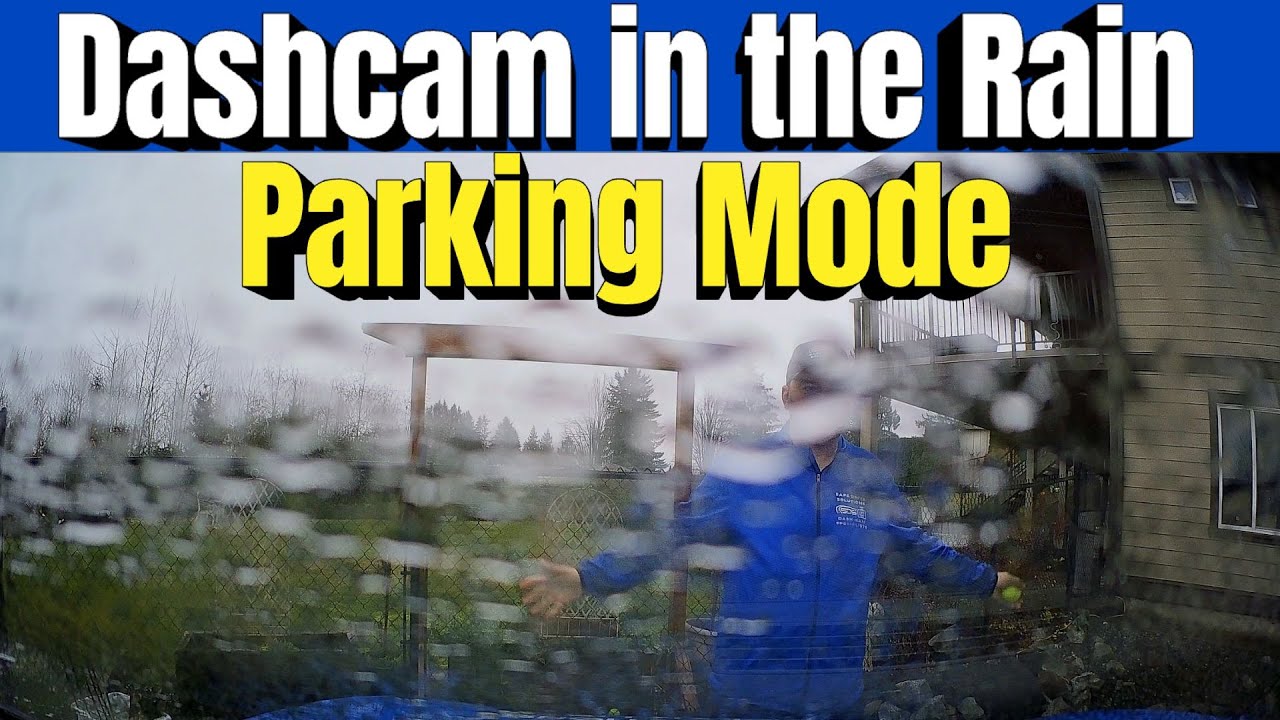
Impact detection is only useful if the dash camera reliably wakes up and records when something actually hits the vehicle. To see which 4K dash cams perform best under real-world conditions, three models were tested with six physical impacts around the car while it was raining. The goal was simple: compare impact detection sensitivity and video clarity in poor weather.
Baseline settings used for a fair comparison
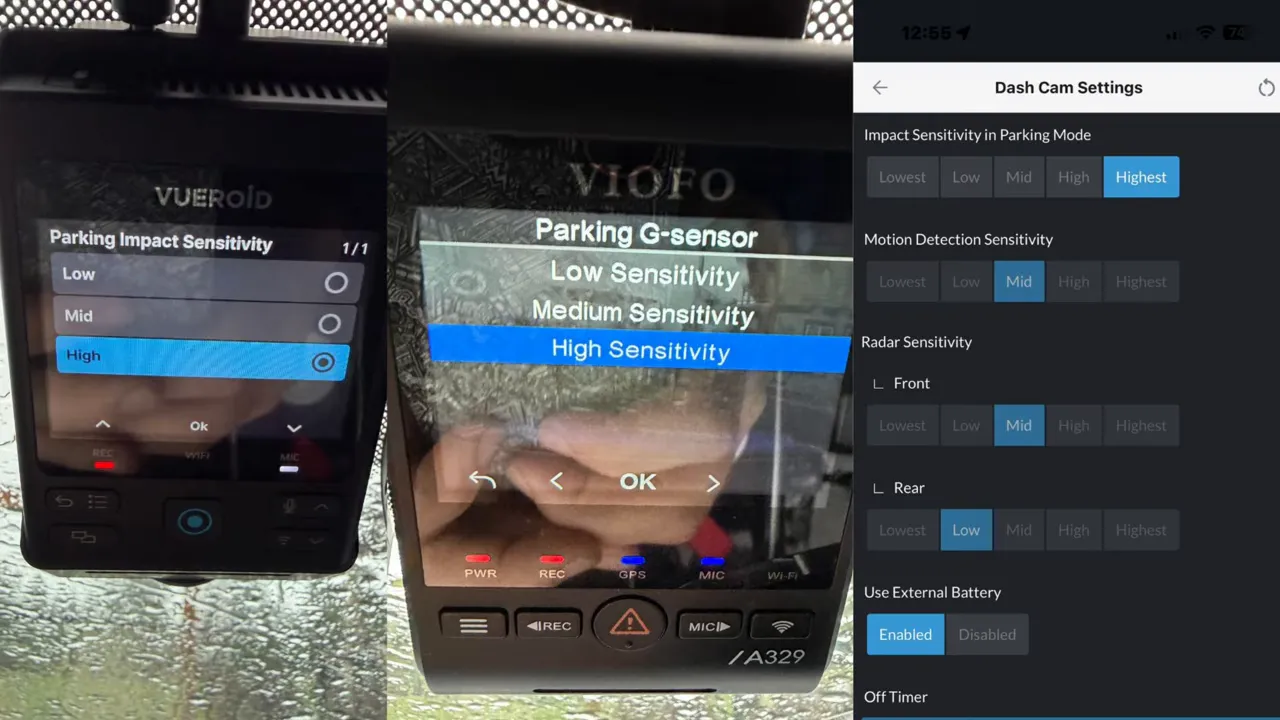
Each camera was configured to prioritize impact detection while conserving power—settings that many people use for parking mode.
- Viofo A329S: low power impact detection, highest sensitivity
- Vueroid S1: extreme low power mode, highest sensitivity
- Thinkware U3000 Pro: energy saving mode, highest sensitivity
Test setup: six impact locations
Instead of the classic "basketball test," impacts were applied to six realistic vehicle locations to see which cameras would wake up from each hit:
- Below the front badge (near the center of the hood)
- Front driver-side fender
- Front passenger-side fender
- Front hood
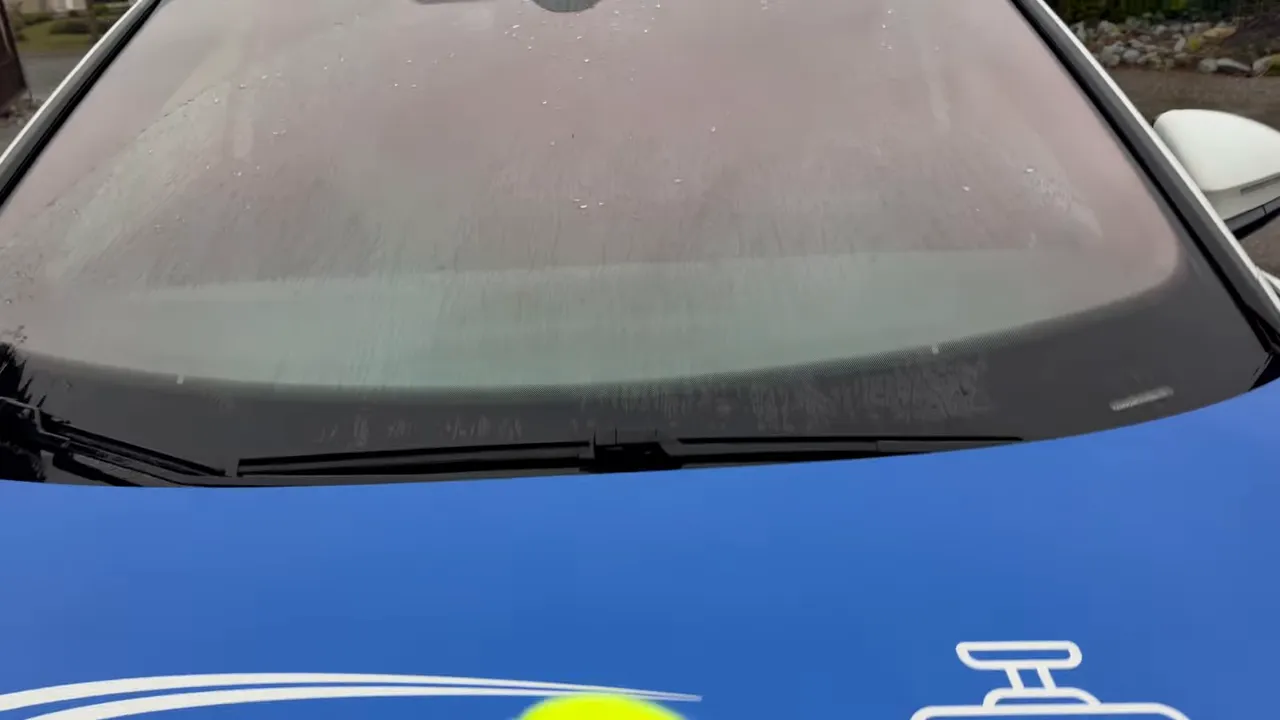
- Windshield (tennis ball thrown to simulate an impact)
- Rear hatch
Impacts were repeated multiple times to confirm consistency and to capture both front and rear camera responses where applicable.
What happened at each impact location
1. Below the front badge
The center-badge hit wakes some devices more reliably than hits on the fenders. In this test, only one camera consistently woke from this spot.

Result: Vueroid S1 woke; Viofo A329S and Thinkware U3000 Pro did not.
2. Front driver-side fender
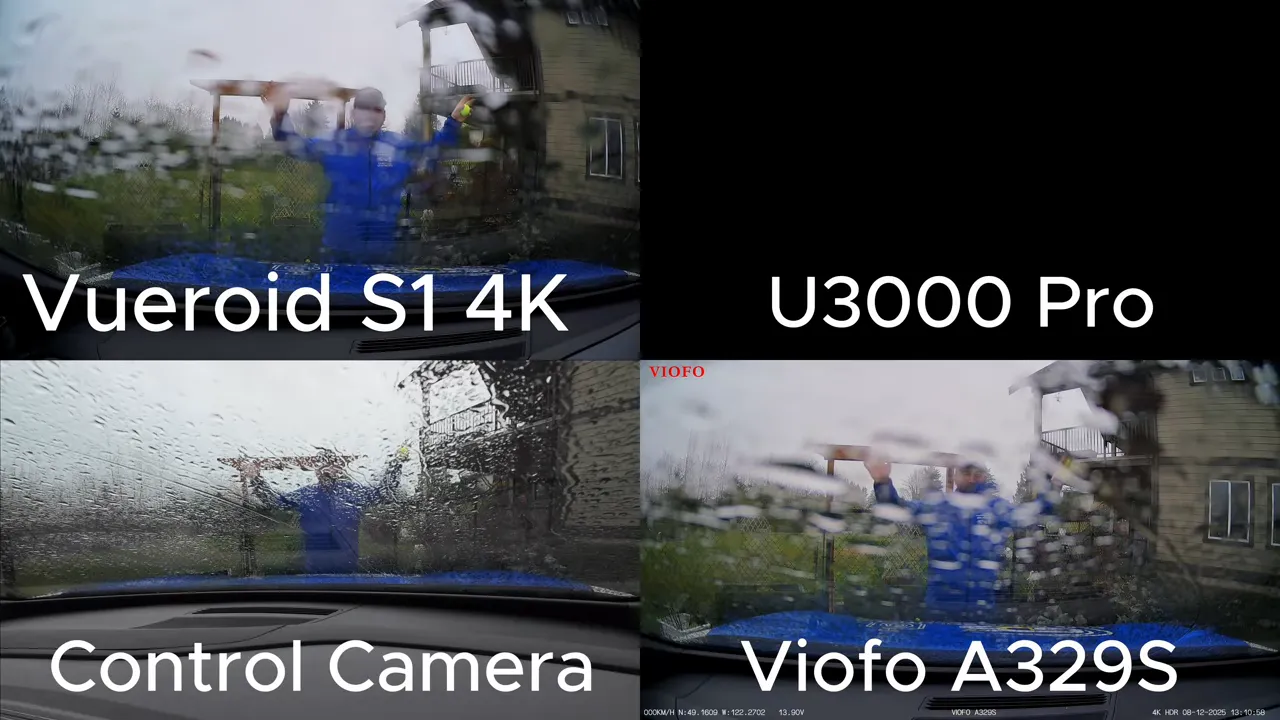
Result: Vueroid S1 and Viofo A329S woke. Thinkware U3000 Pro did not.
3. Front passenger-side fender
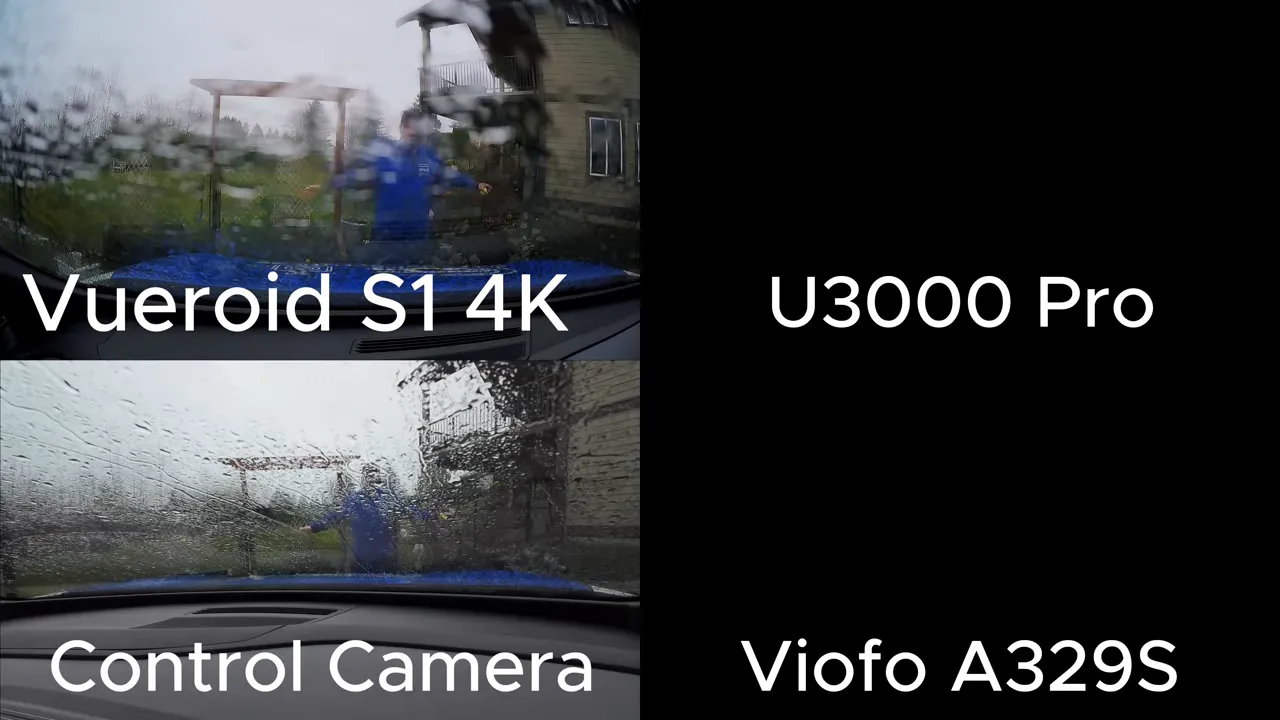
Result: Vueroid S1 woke; both Viofo A329S and Thinkware U3000 Pro failed to wake at this location in most runs.
4. Front hood

Result: All three cameras woke from a hood impact.
5. Windshield (tennis ball)
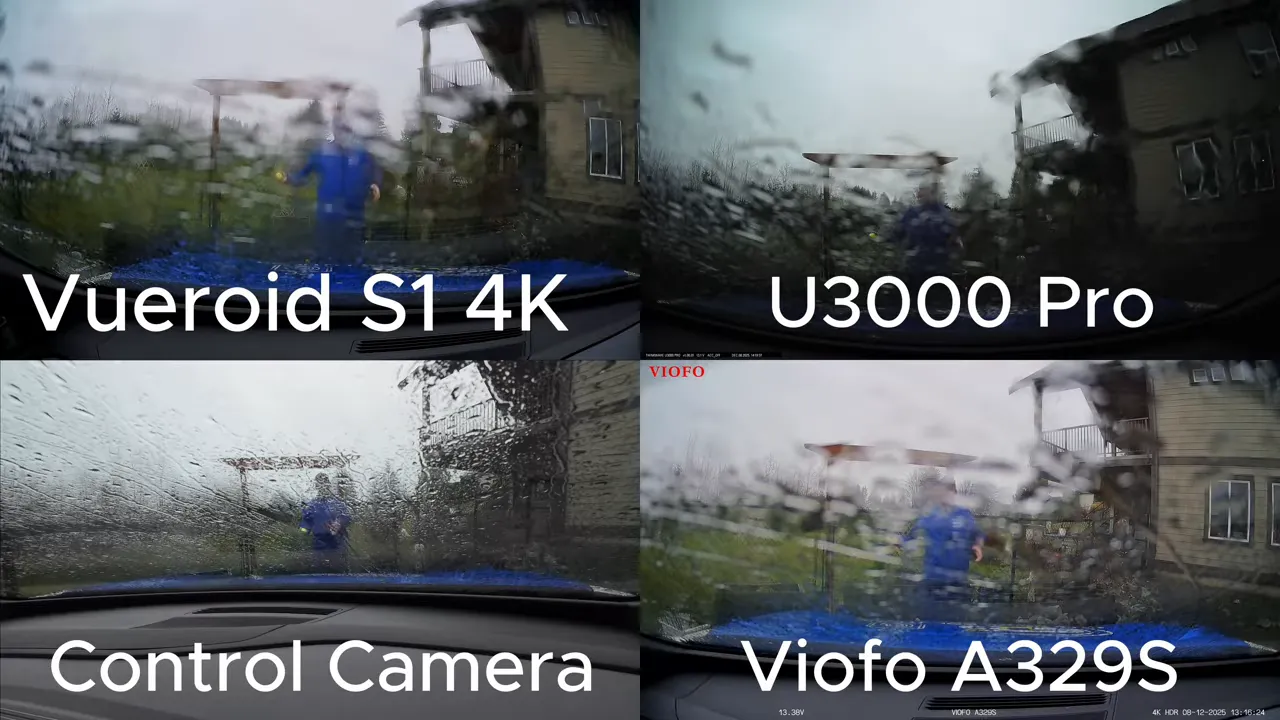
A tennis ball thrown at the windshield is a repeatable, realistic impact that simulates debris strikes. All three units detected this.
6. Rear hatch
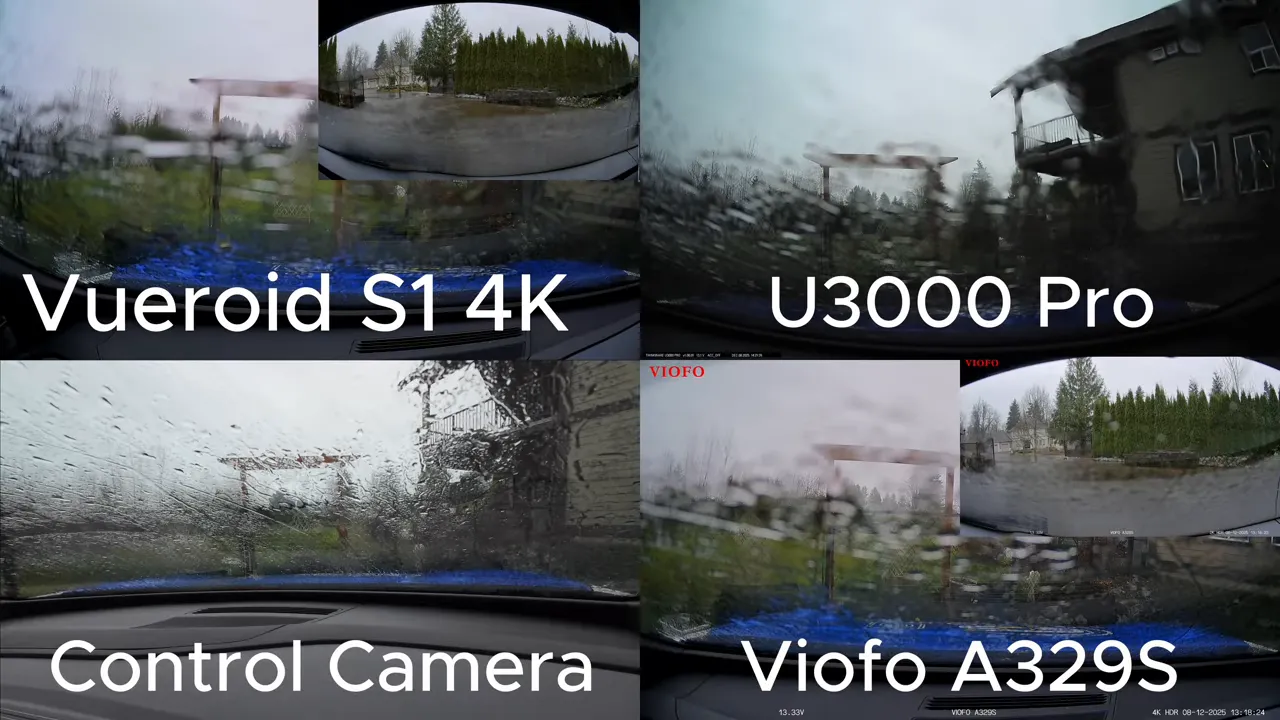
Rear impacts were monitored using rear cameras where available. All three units registered the rear hatch impact during the test runs.
Overall detection performance
Each impact test was repeated to confirm consistency. Counting across all test runs:
- Vueroid S1: 6 out of 6 impacts detected (100% consistency)
- Viofo A329S: 4 out of 6 impacts detected (approximately 67%)
- Thinkware U3000 Pro: 3 out of 6 impacts detected (50%)
Key observation: G-sensor sensitivity matters
The Vueroid S1's sensor proved very sensitive and consistent across the vehicle, picking up impacts from the hood, fenders, badge area, windshield, and rear hatch without fail. The Thinkware U3000 Pro underperformed relative to expectations; it missed several impacts and showed inconsistent waking behavior in multiple runs. That points to either conservative G-sensor tuning in energy-saving modes or a possible calibration issue.
Video quality in the rain
Capturing clear, usable footage while it's raining is a separate challenge from simply waking up. Rain reduces contrast, creates streaking and reflections, and makes identifying people or license plates more difficult.
In these tests:
- Thinkware U3000 Pro showed the weakest video performance in heavy rain, with lower clarity and more difficulty resolving a person wearing blue clothing.
- Vueroid S1 and Viofo A329S produced comparable results; it was a close call for the best rain performance.
Practical recommendations
- If impact detection is your top priority, Vueroid S1 is the best choice here. It gives consistent wake performance across all tested impact locations when set to extreme low power and maximum sensitivity.
- If video clarity in rain is the priority, Viofo A329S and Vueroid S1 are neck and neck. Consider which one produces sharper frames for your typical driving conditions.
- Thinkware U3000 Pro can still be a solid option, but verify parking mode behavior and G-sensor response in your own setup before relying on it for unattended parking protection.
- Settings matter: Low power or energy saving parking modes with the highest sensitivity were used for this comparison. Always test your chosen settings and run a few real-world impact checks to confirm the camera reacts how you expect.
- Nighttime and dark clothing make identification harder. If you frequently need parking evidence at night, prioritize low-light performance and consider an infrared or supplementary cabin-facing camera.
- Installation: Proper placement and secure mounting affect both impact detection and image quality. Professional installation is recommended if you want optimal wiring, camera angles, and rear camera integration.
Final thoughts
Reliable impact detection and usable video during bad weather are both important, but they are separate strengths. For consistent wake performance around the entire vehicle, the Vueroid S1 stood out in these tests. For balanced performance between impact detection and rainy-day image quality, the Viofo A329S remains an excellent contender.
Run a few impact checks after installation, check parking mode sensitivity, and make sure the camera wakes and records where you need it most. Real-world testing is the best way to make sure a dash camera will protect you when it matters.