
2026 Audi S5 Dash Camera and Battery Pack Installation
A clean dash cam install in a newer vehicle is never just about sticking a camera on the glass and plugging something in. On a 2026 Audi S5, the real work is making sure the system is powered properly, the wiring is hidden properly, and the battery pack only charges when it is supposed to.
That last part matters a lot. If ignition and constant power are mixed up, the battery pack can keep drawing from the vehicle when the car is off. That is exactly what you do not want. The goal is simple. Charge the dash cam battery pack only when the ignition is on, then let the battery pack support parking mode afterward without putting unnecessary strain on the vehicle battery.
Why the power connections matter so much
For this Audi S5 setup, the battery pack needs three key connections:
- Constant power
- Ground
- Ignition switched power
This is where a lot of installs can go wrong if someone rushes it.
Constant power gives the battery pack its steady supply. Ground completes the circuit. Ignition switched power tells the battery pack when the vehicle is actually on and when it is time to charge. If that ignition trigger is connected to a constant source by mistake, the pack may continue drawing current even while the car is parked.
That is why proper testing and proper connection points matter. If you are trying to understand the basics behind this, it helps to read more about how to hardwire a dash cam and how the different power sources behave in a vehicle.
Where the battery pack was placed
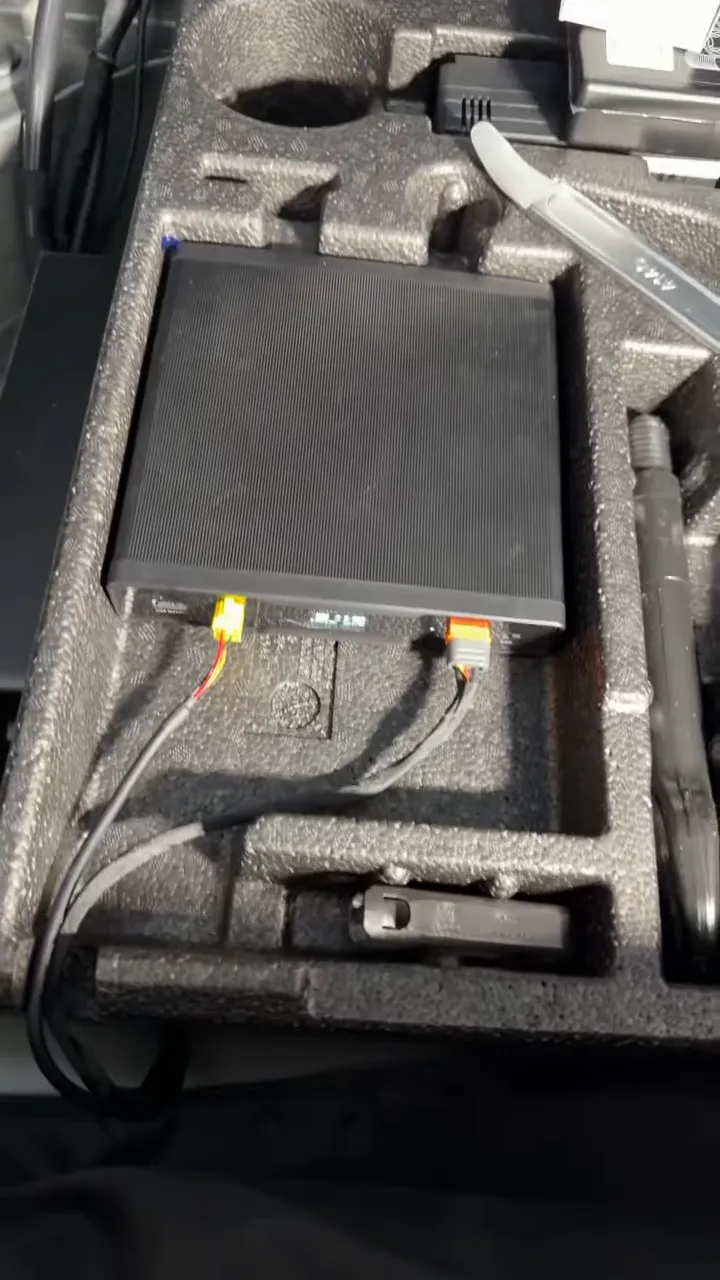
In this Audi, the battery pack was fitted into the rear storage area using the factory foam section. A small notch was made in the foam so the pack could sit nicely in place while still allowing the wires to exit without getting crushed or pinched.
That is one of those little details that makes a big difference. A battery pack should feel integrated into the vehicle, not jammed into place. Good fitment protects the wiring, keeps things tidy, and helps avoid rattles or pressure points over time.
Ground connection at the factory point
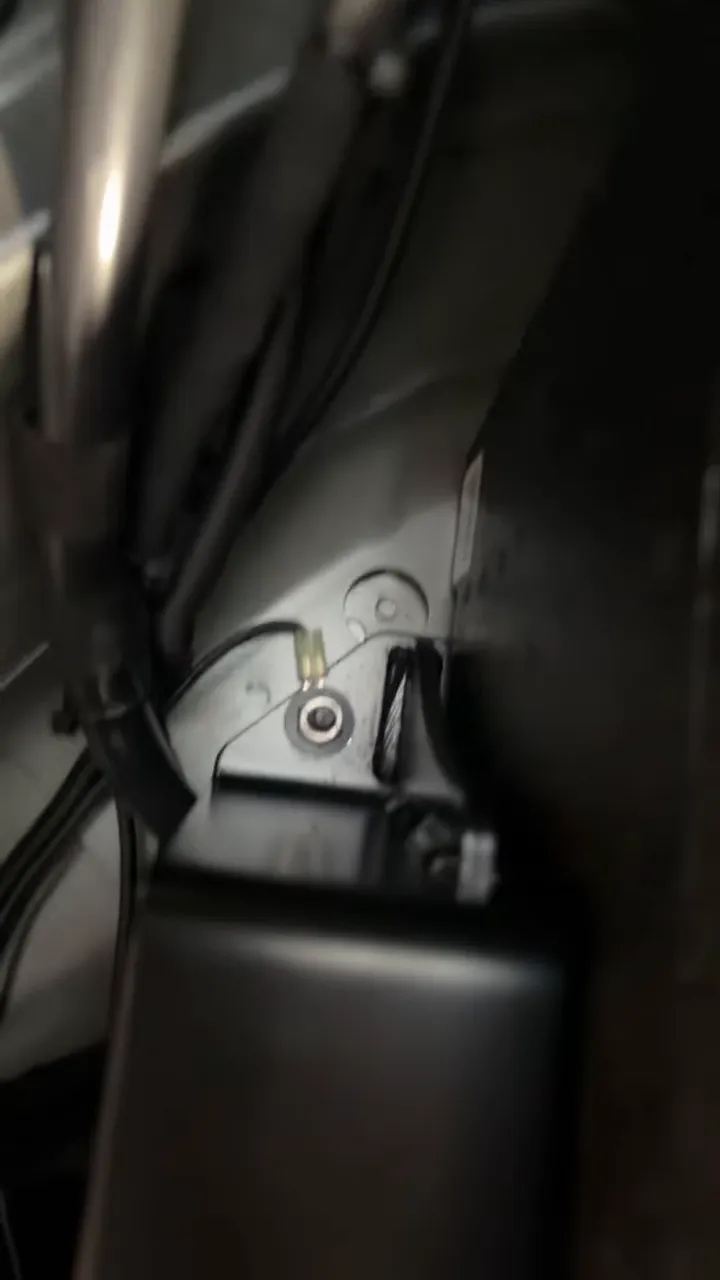
The ground was attached to a factory grounding location in the rear area. In this case, that meant loosening the existing bolt with a 13 mm socket and securing the ground terminal there.
Using a factory ground point is the right move because it gives a known solid metal connection and keeps the installation clean. Random grounding choices often create intermittent issues that are hard to diagnose later.
Constant power from the rear fuse box area
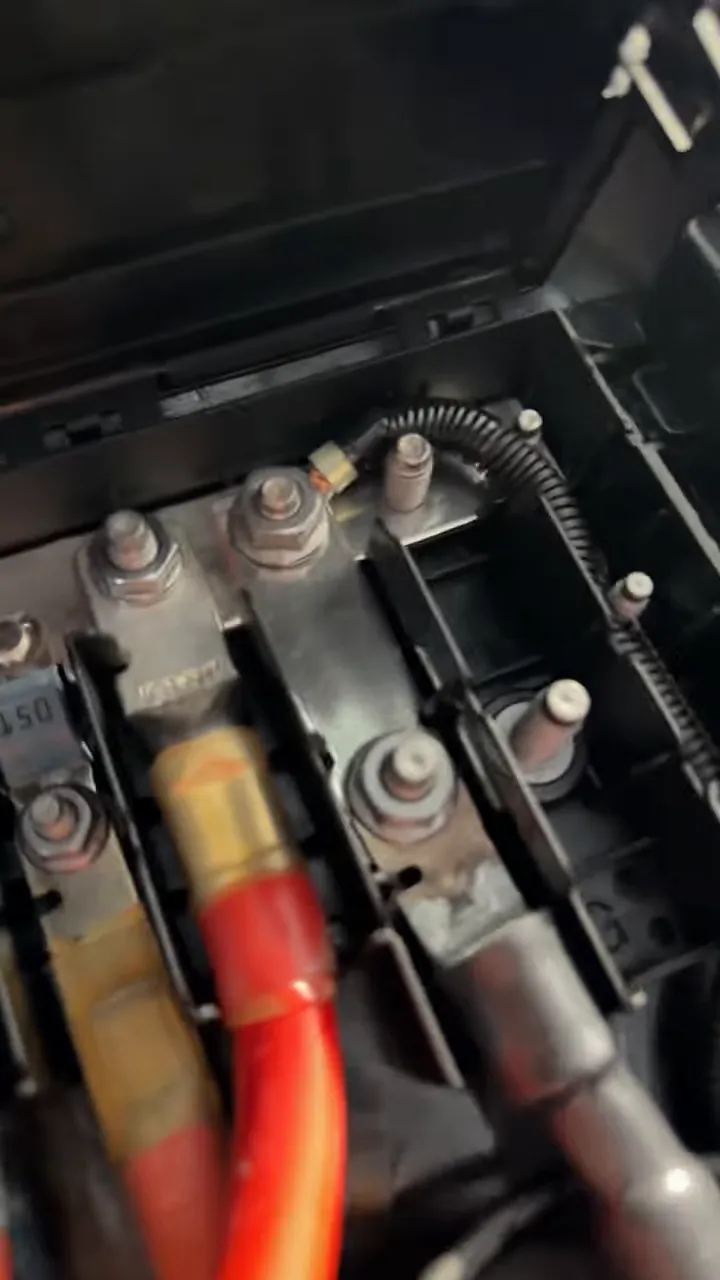
For constant power, the connection was made in the rear fuse box area. Inside that compartment, there are multiple larger fused power distribution points using 13 mm bolts. One of those was used as the source for the battery pack's constant feed.
This approach gives a solid, stable power connection and keeps everything concentrated in the rear where the battery pack is already mounted.
Ignition switched power from the 12V socket
Now for the important part that controls charging behavior.
On this Audi S5, the rear 12V socket is ignition switched. That makes it a useful trigger source for the battery pack. The panel can be popped out fairly easily to access the backside of the socket, and the ignition wire can then be connected directly to that circuit.
In this install, the ignition wire was soldered onto the back of the cigarette lighter wiring. Once that was done, the panel went back together cleanly so everything looked factory again.
This is exactly the kind of detail that protects the vehicle battery long term. The battery pack knows to charge only while the ignition is on, which is what you want for reliable parking mode operation. If battery draw is one of your concerns, this guide on whether a dash cam can drain your car battery covers the key points.
Clean wire routing matters just as much as the power source
Once the battery pack wiring was handled, everything was routed through the vehicle neatly and out of sight. A proper install is not just functional. It should also look like it belongs there.
Wires were hidden through factory pathways and trim areas instead of being left exposed. That keeps the interior looking clean and also helps protect the wiring from wear, accidental snags, and vibration.
Rear camera mounted on the hatch
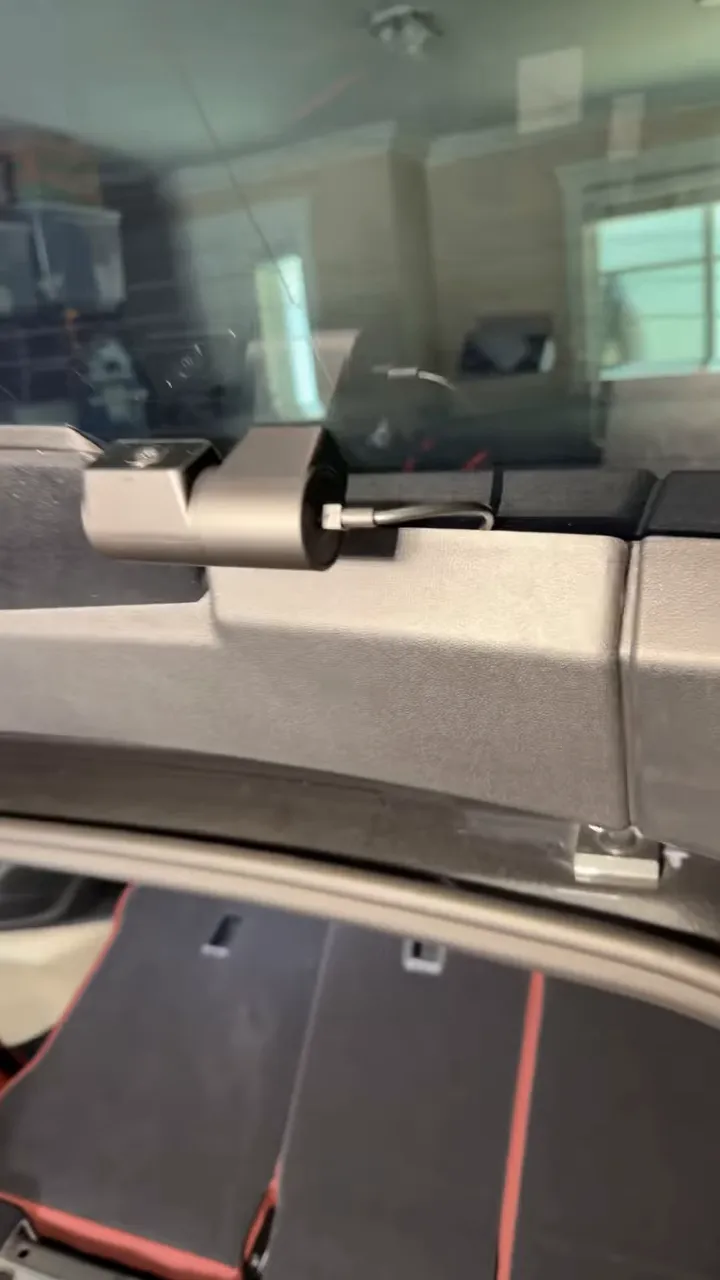
The rear camera was mounted directly on the hatch area. The wiring was hidden and routed through the factory grommets, which is the correct way to do it.
Running through factory grommets is important because the hatch opens and closes constantly. If wiring is not protected properly in that area, it can get pinched, rubbed through, or broken over time.
Front and interior camera placement
This vehicle received a VIOFO A329S three channel system, which includes:
- Front camera
- Rear camera
- Interior camera
The front camera was positioned on the driver's side as requested. The interior camera was mounted over toward the passenger side.
Placement always depends on the vehicle layout and what the owner wants covered, but the goal is the same every time. You want the cameras positioned for strong visibility without being distracting or awkward inside the cabin.
Why add a battery pack to a dash cam setup?
When someone wants dependable parking mode, a battery pack is one of the best upgrades you can add.
Instead of asking the vehicle battery to carry the load while parked, the external battery pack stores power while driving and then supplies the dash cam afterward. That helps reduce wear on the car battery and gives more confidence when the vehicle is left unattended.
This is especially useful for higher-end vehicles or multi-channel systems where parking mode is a priority. If you want to compare options, take a look at these dash cam battery packs and see how they fit into different types of installations.
Parking mode only works well when the install is done properly
A lot of people focus on camera resolution and features, which is fair, but parking mode performance usually comes down to the install.
If power is not managed correctly, if the battery pack is not triggered correctly, or if the wiring is sloppy, even a great dash cam system can become frustrating. That is why installation quality matters just as much as the camera model itself.
If you are comparing how parked recording works across different setups, this breakdown of dash cam parking mode is worth reading.
The finished result
At the end of the job, this 2026 Audi S5 had a fully integrated three channel VIOFO A329S setup with a dedicated battery pack, hidden wiring, a proper factory ground, solid constant power, and an ignition switched charging trigger.
That means:
- The battery pack charges only when the car is on
- The dash cam system has support for parking mode
- The vehicle battery is better protected
- The wiring stays hidden and factory looking
- The rear hatch wiring is routed through proper factory paths
That is how a clean install should be done. Not just powered up, but thought through properly from start to finish.